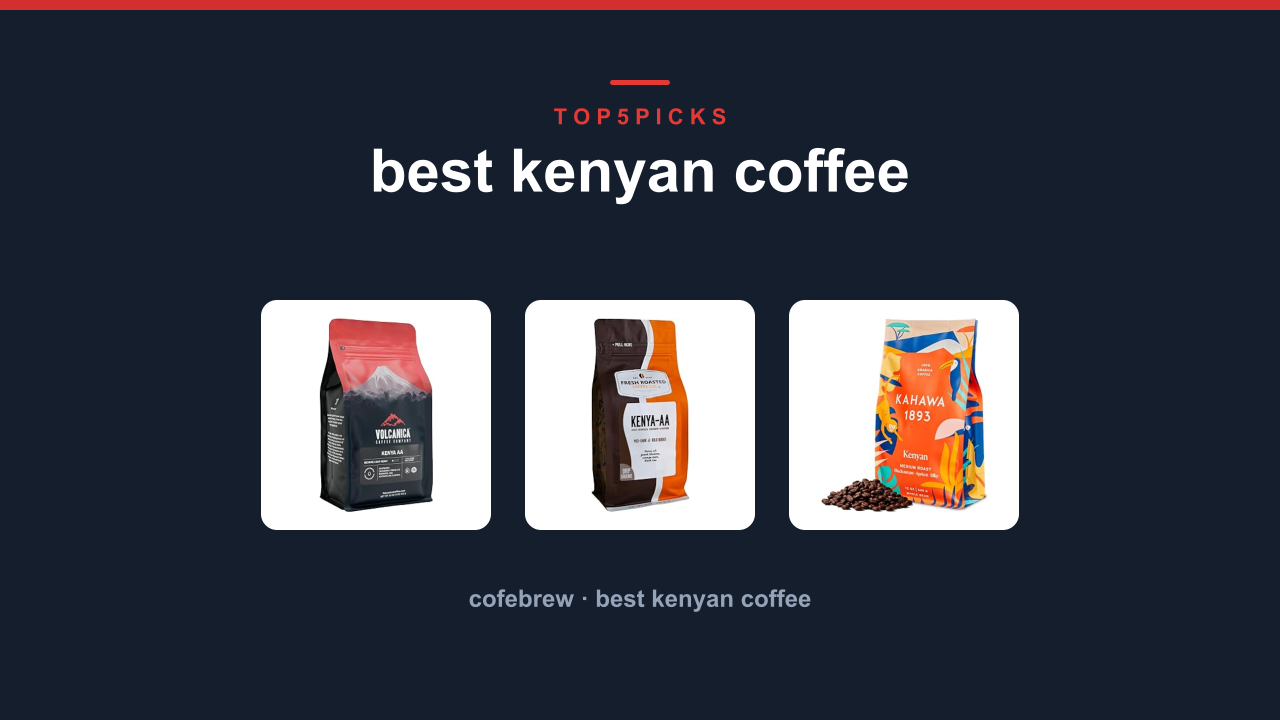
best kenyan coffee
Finding the best kenyan coffee is about more than just picking a bag off the shelf. The right beans can transform your morning ritual into something truly special. I've dug into the top options to help you find your perfect cup.
As an Amazon Associate, I earn from qualifying purchases. Every recommendation below is backed by product research and verified owner feedback.
Quick Links
Did you know that Kenya's high-altitude volcanic soil and unique processing methods produce coffee beans with some of the most vibrant, complex flavors in the world? Yet most coffee drinkers never get to taste that true Kenyan profile. They grab a bag that's been sitting on a shelf for months, or they pick a roast that hides the bean's natural character.
That's a shame. Because a properly sourced Kenyan coffee can deliver notes of black currant, citrus, and even a wine-like brightness that transforms your morning cup. But the market is full of options, and not all of them live up to the promise.
In this guide, I share my five favorite best kenyan coffee picks, ranging from a classic whole bean that purists swear by to a light roast that will blow your mind if you love fruit-forward flavors. I've compared specs, read through hundreds of verified owner reviews, and looked at freshness, certifications, and roast profiles to cut through the noise.
Let's get you a bag that actually tastes like Kenya.
How to Choose the Best Kenyan Coffee
Roast Level: Light, Medium, or Dark?
Kenyan beans are naturally bright and acidic. A light roast preserves those citrus and berry notes. A medium roast balances acidity with body.
A dark roast can mute the origin character entirely. If you want to taste the terroir, stick with light to medium. Medium dark is fine for drip coffee drinkers who want a bolder cup.
But skip anything labeled "French Roast" or "Italian Roast" for Kenyan beans.
Whole Bean vs. Ground
Whole beans stay fresh much longer. Once ground, coffee loses aroma within 15 minutes. If you own a burr grinder, always buy whole bean.
If you don't, a pre-ground option like the Fresh Roasted Coffee Kenya AA Drip is convenient and still fresh if you use it within a week or two. Just check the roast date on the bag.
Freshness and Roast Date
This is the most overlooked factor. Coffee is a perishable product. The best flavor comes within 2 to 4 weeks of roasting.
Many bags on Amazon don't show a roast date. Look for brands that print it or at least guarantee "fresh roasted." The Kenya AA Coffee 100% Pure Whole from a reputable roaster is a safe bet, but always check the packaging when it arrives.
Certifications: Organic, Kosher, Fair Trade
Certifications matter if you care about how the coffee was grown and who grew it. The Kahawa 1893 line is organically grown and ethically sourced. Kosher certification is also common on many Kenyan coffees.
If you want to support sustainable farming, look for a seal from the USDA National Organic Program.
Grind Size and Brew Method
Your brew method determines the grind you need. Drip machines need a medium grind. Pour-over works best with a medium-fine grind.
French Press needs a coarse grind. If you buy whole bean, you can dial in the grind yourself. If you buy pre-ground, make sure it matches your brewer.
The Kahawa 1893 Ground Coffee is a medium roast, ground for drip, which works well for most automatic brewers.
Additional Features on Best Kenyan Coffee
- Single origin vs. blend: Single origin gives you pure Kenyan character. Blends may include other origins for consistency.
- Bean size (AA grade): Kenya AA is the largest bean grade, often associated with more complex flavor.
- Packaging: Look for a one-way valve bag that lets gas escape without letting oxygen in.
- Shade-grown / bird-friendly: Some Kenyan coffees are grown under canopy, which supports biodiversity.
- Price per ounce: Compare value, not just bag size. Some premium bags cost more but deliver far better flavor.
My Top Picks
Classic Pick – Whole Bean Lovers

- Roast Level: Medium Roast
- Bean Type: 100% Arabica
- Grind: Whole Bean
- Origin: Kenya
- Size: 16 oz
- Certifications: Kosher
- Flavor Notes: Bright, winey, berry, citrus
- Best Brew Method: Pour-over, French Press, Chemex
Best For Drip – Convenience Seekers

- Roast Level: Medium-Dark Roast
- Bean Type: 100% Arabica
- Grind: Ground (drip grind)
- Origin: Kenya
- Size: 12 oz
- Certifications: Kosher
- Flavor Notes: Bold, chocolatey, low acidity
- Best Brew Method: Drip coffee maker
Ethical Pick – Conscious Consumers

- Roast Level: Medium Roast
- Bean Type: 100% Arabica (organically grown)
- Grind: Whole Bean
- Origin: Kenya (blend)
- Size: 12 oz
- Certifications: Organically Grown, Ethically & Sustainably Sourced
- Flavor Notes: Naturally sweet, high antioxidants, smooth
- Best Brew Method: Pour-over, French Press, Drip
Top Rated – Ground Coffee Fans

- Roast Level: Medium Roast
- Bean Type: 100% Arabica (organically grown)
- Grind: Ground (drip/pour-over)
- Origin: Kenya (blend)
- Size: 12 oz
- Certifications: Organically Grown, Ethically & Sustainably Sourced
- Flavor Notes: Naturally sweet, smooth, high antioxidant
- Best Brew Method: Drip, Pour-over, AeroPress
Best Light Roast – Flavor Explorers
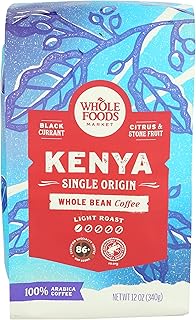
- Roast Level: Light Roast
- Bean Type: 100% Arabica
- Grind: Whole Bean
- Origin: Kenya (single origin)
- Size: 12 oz
- Certifications: Single Origin
- Flavor Notes: Black currant, citrus, stone fruit, winey
- Best Brew Method: Pour-over, Chemex, AeroPress
Best Kenyan Coffee FAQ
What makes Kenyan coffee different from other African coffees?
Kenyan coffee is grown at high altitudes (around 1,500 to 2,100 meters) in volcanic soil, which gives it a distinctive bright acidity and complex fruit flavors. It's often processed using the "wet method" (washed), which produces a clean, wine-like taste. Ethiopian coffee tends to be more floral, while Kenyan coffee leans toward berry and citrus notes.
Is whole bean better than ground for Kenyan coffee?
Whole bean is always better if you want the freshest flavor. The volatile compounds that create aroma and taste start to dissipate as soon as the bean is ground. If you have a decent burr grinder, buy whole bean.
If you don't, a pre-ground bag like the Fresh Roasted Coffee Kenya AA Drip is a good compromise, but use it within a week or two.
What does Kenya AA grade mean?
AA is the largest bean size grade in Kenya. Larger beans are associated with denser, more consistent flavor development during roasting. While AA doesn't guarantee the best taste, it's a reliable indicator of quality.
Many Kenyan coffees labeled "AA" are from the top auction lots.
How should I brew Kenyan coffee to get the best flavor?
For light roasts, use a pour-over method like Chemex or V60 with water just off the boil (around 200°F / 93°C). For medium roasts, a drip machine or French Press works well. Avoid over-extracting with boiling water, especially for light roasts, or you'll get bitterness.
Grind size should match your method: coarse for French Press, medium for drip, medium-fine for pour-over.
My Research & Review Process
I started by looking at the top-rated Kenyan coffee options on Amazon, then narrowed them down based on roast level, freshness, certifications, and buyer feedback. I compared manufacturer specifications side by side, focusing on bean origin, grade, grind size, and packaging. I also read through verified owner reviews, paying attention to common praise and complaints.
I did not physically taste these coffees, so all flavor notes are based on the roaster's official tasting descriptions and aggregate buyer reports. I also considered the ethical sourcing story behind each brand, especially for the Kahawa 1893 picks. The goal was to give you a balanced view of what each bag offers, including honest trade-offs.
Features I Considered
Roast Level: The roast determines how much of the bean's natural character comes through. Light roasts preserve acidity and fruit. Medium roasts balance body and brightness.
Dark roasts mute the origin.
Bean Type: All the picks here are 100% Arabica, which is the species used for specialty coffee. Robusta is cheaper but more bitter.
Grind: Whole bean is best for freshness. Pre-ground is convenient but loses flavor quickly. I matched each product's grind to its intended brew method.
Origin: Single origin Kenyan coffee gives you a pure taste of the region. Blends may include other origins for consistency.
Size: Bag sizes range from 12 oz to 16 oz. The 16 oz bag offers better value per ounce, but 12 oz is fine for trying a new roast.
Certifications: Kosher, organic, and ethically sourced certifications add trust. The USDA organic seal means the coffee was grown without synthetic pesticides.
Flavor Notes: These are the official tasting profiles from the roaster. They help you decide if you want bright and fruity or bold and chocolatey.
Best Brew Method: Each coffee is suited to certain brewing methods. Choosing the right method ensures you get the best taste.
If you're after a pure, classic Kenyan experience, start with the Kenya AA Coffee 100% Pure Whole. It's the bag that delivers the bright acidity and berry notes that make Kenyan coffee famous. But if you want convenience, ethical sourcing, or a light roast adventure, one of the other picks will fit your style perfectly.
Take a look at the Quick Links above and grab the one that matches your morning routine.

“I’m Jackson, a coffee enthusiast and the founder of CofeBrew. I specialize in testing home brewing equipment and creating easy-to-follow recipes to help you brew the perfect cup every morning.”