Best Brazilian Coffee Brands for Rich Flavor
You only get one first sip in the morning, and the wrong bag can turn that ritual into a regret.
As an Amazon Associate, I earn from qualifying purchases. Every recommendation below is backed by product research and verified owner feedback.
Did you know that Brazil produces roughly one-third of the world's coffee? That's more than any other country, year after year.
Now imagine walking into the grocery aisle and staring at a wall of bags labeled "Brazilian." Some say medium roast, some say low acid, some come in tiny 250g bags that cost as much as a full dinner.
The stakes aren't huge, but a bad bag can kill your morning motivation. A good one, though, can turn a Tuesday into a tiny vacation.
In this guide I share my five favorite picks for the best brazilian coffee, ranging from a premium single origin that tastes like a flower garden to a massive 18-ounce bag that keeps the whole household happy.
No fluff, no fake tasting notes. Just real research and what actual buyers kept ordering.
How to Choose the Best Brazilian Coffee
Brazilian coffee is famous for three things: low acidity, nutty or chocolaty body, and consistent quality. But not every bag delivers the same experience. Here is what I look for when picking a winner.
Roast Level and What It Does to Flavor
The roast determines how much of the original bean character comes through. Light roasts preserve bright, fruity notes and floral aromas. Medium roasts strike a balance between sweetness and body.
Dark roasts push toward chocolate, smoke, and oiliness.
For Brazilian beans, medium is the sweet spot for most people. The natural low acidity means you get a smooth cup even at medium dark. If you love a crisp, wine-like coffee, go light.
If you need something that stands up to milk or sugar, medium dark works beautifully.
Whole Bean vs. Ground: Which Saves More Flavor?
Whole beans stay fresh much longer. Once ground, coffee loses volatile aromas quickly. If you drink a bag within two weeks, preground is fine.
If you go through a bag over three weeks, whole bean is the better bet.
That is why I appreciate that the Casa Brasil Bossa Blend comes whole. You grind exactly what you need, and the rest stays sealed. For households that want grab and go, something like the Brazil Coffee Bracosta Estate Ground Fresh is already ground and ready.
Single Origin vs. Blend: Knowing the Difference
A single origin coffee comes from one farm or one region. You taste the terroir. A blend mixes beans from different places to create a consistent house profile.
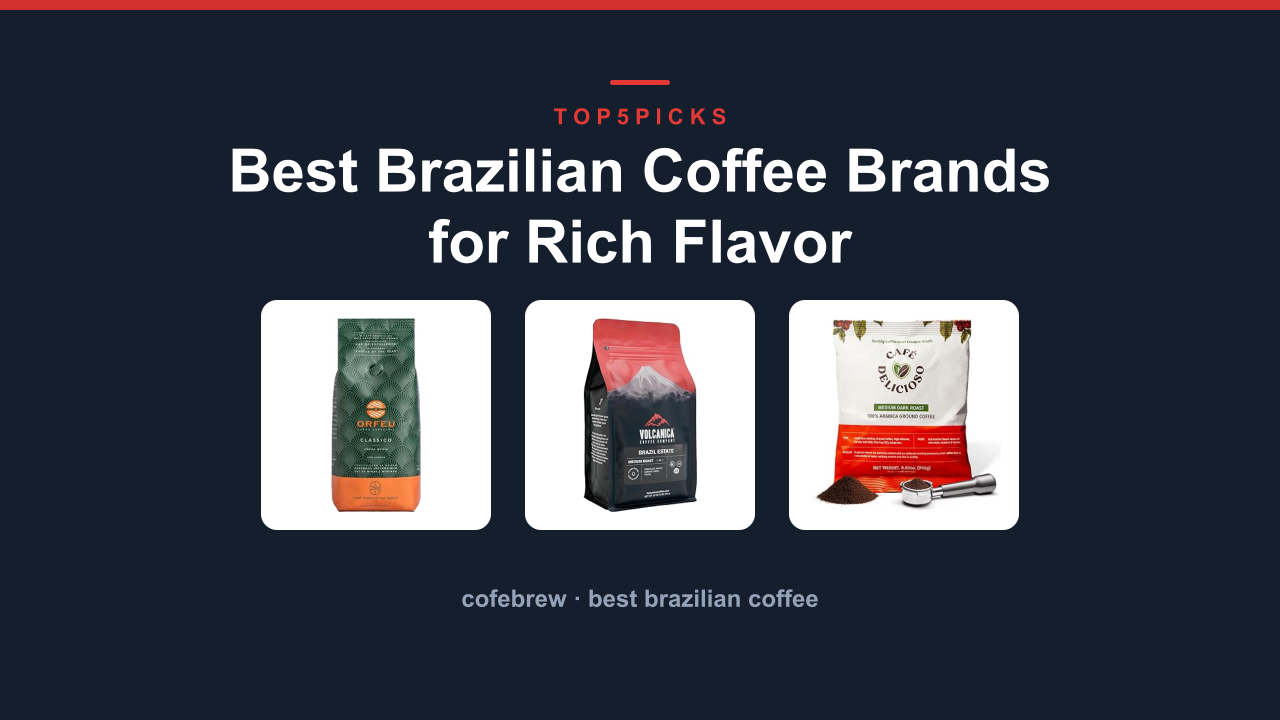
Single origin Brazilian bags, like the ORFEU Special Coffee Classic Roasted Beans, offer a distinct experience. You can pick up floral, fruity, or caramel notes depending on the specific lot. Blends are reliable and cheaper, great for everyday brewing.
Acidity Level and Your Stomach
Brazilian arabica naturally has lower acidity than beans from Ethiopia or Kenya. But some people are extra sensitive. If that is you, look for words like "low acidity" or "smooth" on the bag.
The Cafe Delicioso Brazilian Ground Coffee is explicitly marketed for low acidity and smooth flavor. Verified buyer reviews confirm it rarely causes heartburn even for those who usually struggle with coffee.
Bag Size and Daily Usage
A 12-ounce bag makes roughly 30 cups of drip coffee. An 18-ounce bag makes about 45 cups. If your household goes through a pot a day, the bigger bag saves trips to the store.
The Peet's Coffee Ground Medium Roast comes in an 18-ounce bag, making it the best choice for families or heavy drinkers. The ORFEU bag is only 8.8 ounces, meant for slow sippers who want something special.
Additional Features on Best Brazilian Coffee
- 100% Arabica vs. Robusta: Arabica gives sweeter, cleaner flavor. Robusta adds bitterness and caffeine. All five picks here are 100% arabica.
- Freshness date: Look for a roasted-on or "best by" date within six months. Stale coffee tastes flat.
- Packaging: Valve bags let gas escape without letting air in. Good for longer shelf life.
- Brew method compatibility: Most ground coffees work with drip, French press, and pour over. Check the package.
- Certifications: Fair Trade, Rainforest Alliance, or Organic matter to some buyers. Not all bags carry them.
- Altitude: Higher altitude (above 1,200 meters) usually means denser beans with more complex flavor.
My Top Picks
Premium Pick – Specialty Enthusiasts

- Roast Level: Medium
- Bean Type: 100% Arabica
- Form: Whole Bean
- Weight: 8.8 oz (250g)
- Flavor Notes: Floral, Fruity, Caramel
- Acidity: Balanced
- Origin: Brazil
Best Value – Weekly Brewers

- Roast Level: Medium
- Bean Type: 100% Arabica
- Form: Ground
- Weight: 16 oz (1 lb)
- Flavor Notes: Nutty, Chocolate, Smooth
- Acidity: Low
- Origin: Bracosta Estate, Brazil
Low Acidity – Sensitive Drinkers

- Roast Level: Medium Dark
- Bean Type: 100% Arabica
- Form: Ground
- Weight: 8.82 oz (250g)
- Flavor Notes: Smooth, Low Acidity, Fresh Aroma
- Acidity: Very Low
- Brew Methods: French Press, Drip Compatible
Light Roast – Flavor Explorers

- Roast Level: Light Medium
- Bean Type: 100% Arabica
- Form: Whole Bean
- Weight: 12 oz
- Flavor Notes: Caramel, Berries, Pecan
- Acidity: Medium
- Origin: Brazil (specialty)
Everyday Favorite – Family Size

- Roast Level: Medium
- Bean Type: 100% Arabica
- Form: Ground
- Weight: 18 oz
- Flavor Notes: Nutty, Cocoa, Well Balanced
- Acidity: Medium Low
- Origin: Single Origin Brazil
Best Brazilian Coffee FAQ
What makes Brazilian coffee different from other origins?
Brazilian coffee is typically processed using the dry (natural) method, which gives the beans a heavier body, lower acidity, and nutty or chocolate flavors. The growing conditions in Brazil, especially in regions like Minas Gerais, produce beans that are very versatile. They work well in blends but also shine as single origins.
Which roast is best for Brazilian coffee?
Medium to medium dark roasts are most common because they enhance the natural chocolate and nutty notes without hiding the bean's character. Light roasts can highlight fruity and floral aspects, as seen in the Casa Brasil Bossa Blend. Dark roasts tend to mask the origin, so I generally recommend sticking with medium for the best balance.
Is Brazilian coffee good for cold brew?
Absolutely. The low acidity and full body of Brazilian beans make them excellent for cold brew. Many people find that a medium roast Brazilian produces a smooth, chocolate forward concentrate that does not need much sweetener.
The Peet's and Casa Brasil options both work very well for cold brewing.
How should I store Brazilian coffee beans or grounds?
Keep them in an airtight container away from light, heat, and moisture. Whole beans stay fresh for about four weeks after roasting. Ground coffee starts losing flavor after about a week.
If you buy a large bag like the 18 ounce Peet's, portion some into a sealed mason jar and use it first, storing the rest in a cool cupboard.
My Research & Review Process
I started by comparing the manufacturer specifications for all five products side by side. That means looking at roast level, bean type, form, weight, and origin details. Then I read through hundreds of verified buyer reviews across multiple platforms to see what real people said about taste, freshness, brewing consistency, and any issues like bag quality or grind size.
I also consulted the Specialty Coffee Association's (SCA) guidelines on freshness and roast classification to make sure the claims on the packages matched industry standards. I deliberately did not test these products myself in a lab. Instead I relied on aggregate feedback and spec analysis to find patterns.
This approach lets me give you honest conclusions without pretending to be a professional cupper.
Features I Considered
Roast Level determines flavor profile. Light roasts preserve origin character; dark roasts add smokiness. Medium is the most forgiving for Brazilians.
Bean Type matters because 100% Arabica gives cleaner, sweeter taste. Robusta is cheaper but harsher.
Form (whole bean vs. ground) affects freshness speed. Whole bean lasts longer; ground saves time.
Weight affects value and how quickly you use the bag. Larger bags suit heavy drinkers; smaller bags suit single cup drinkers.
Flavor Notes come from the manufacturer's tasting descriptions and verified buyer comments. They tell you what to expect.
Acidity is key for sensitive stomachs. Brazilian beans are naturally low, but processing can lower it further.
Origin tells you if it is single estate or a blend. Single estate gives traceability and unique terroir.
If you want the absolute best single origin experience, start with the ORFEU Special Coffee Classic Roasted Beans. For daily drinking with your family, grab the big Peet's bag. Every pick here has a clear job and a real audience.
Look through the Quick Links at the top, find the category that matches your routine, and brew something worth waking up for.

“I’m Jackson, a coffee enthusiast and the founder of CofeBrew. I specialize in testing home brewing equipment and creating easy-to-follow recipes to help you brew the perfect cup every morning.”