Best Peruvian Coffee: Top Picks for Rich Flavor
Did you know that Peru is the ninth-largest coffee producer in the world, with more than 90% of its crop grown by smallholder farmers in the high-altitude Andes? Now imagine that same coffee, carefully roasted to bring out notes of chocolate, citrus, and nuts, landing fresh on your kitchen counter. The right bag can turn your morning routine into a moment of genuine pleasure.
In this guide, I share my 5 favorite best peruvian coffee picks, ranging from bulk bags for the daily drinker to low-acid options for sensitive stomachs. I’ve cut through the noise so you can find the one that fits your life.
As an Amazon Associate, I earn from qualifying purchases. Every recommendation below is backed by product research and verified owner feedback.
Quick Links
How to Choose the Best Peruvian Coffee
1. Roast Level: Light, Medium, or Dark?
Peruvian coffee is known for its bright acidity and smooth body, but the roast level changes everything. Medium roasts (like the majority of these picks) preserve the origin's citrus and nutty notes while adding a bit of sweetness. Dark roasts push toward chocolate and caramel but can mask the subtler flavors.
If you're a drip coffee drinker, medium roast is a safe bet. For espresso, a medium-dark might be better. This [Mt.
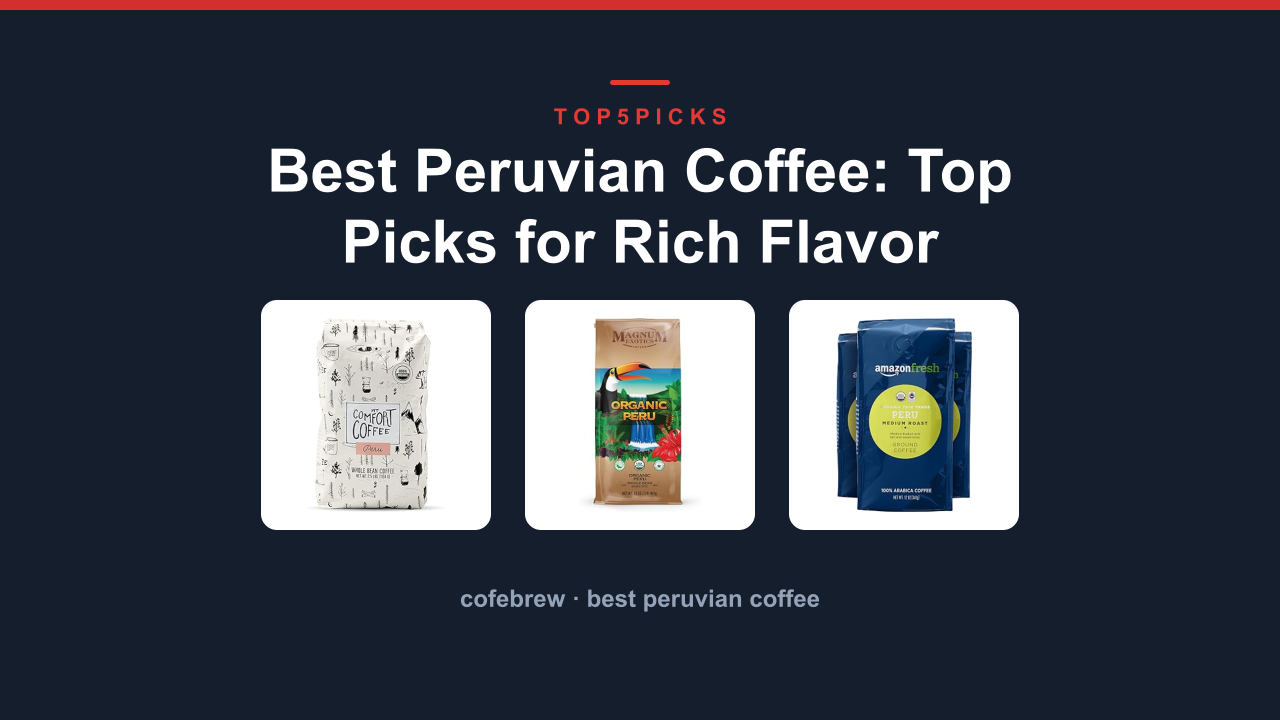
Comfort Coffee](https://www.amazon.com/dp/B07171HMF5?tag=cofebrew-20) is a classic medium that works across brewing methods.
2. Certifications: Organic, Fair Trade, and Bird Friendly
More than 30% of Peru's coffee is certified organic, but that doesn't mean every bag on the shelf is. USDA Organic certification means no synthetic pesticides or fertilizers were used. Fair Trade ensures farmers receive a minimum price, which matters for the smallholder families who grow most of the crop.
Bird Friendly certification (from the Smithsonian Migratory Bird Center) goes a step further by requiring shade-grown farms that preserve bird habitat. If those values matter to you, look for the seals.
3. Whole Bean vs. Ground
Whole beans stay fresh longer than pre-ground coffee. Once you grind, the surface area increases and flavors fade within days. If you have a burr grinder at home, whole bean is the way to go.
If you want convenience for a drip machine or a French press, pre-ground is fine. The Amazon Fresh Organic Fair Trade Peru is a reliable ground option that comes in a three-pack so you always have a backup.
4. Low Acid: Is It for You?
Acid reflux or a sensitive stomach doesn't mean you have to give up coffee. Peruvian beans naturally have lower acidity than beans from Ethiopia or Kenya, and some roasters specifically market low-acid versions. These coffees are roasted slower and at lower temperatures to reduce the compounds that cause irritation.
The Peru Coffee Whole Bean USDA Organic is explicitly labeled low acid, and verified buyer feedback confirms it's a top choice for those who struggle with traditional coffee.
5. Bag Size: How Much Do You Drink?
A 12-ounce bag lasts about two weeks for a single daily drinker. A 2-pound bag (32 ounces) is ideal for a household of two or three people. The 2.5-pound bag from Mt.
Comfort is a great value if you go through a lot of coffee. But if you're trying a new roaster, start with a smaller size to see if you like the flavor before committing to a bulk purchase.
6. Additional Features on Peruvian Coffee
- Altitude: Beans grown above 1,200 meters tend to have brighter acidity and more complex flavors.
- Processing Method: Washed (wet) processing is most common in Peru and gives a clean cup. Natural (dry) processed beans are fruitier but rarer from this region.
- Freshness Date: Look for a roast date on the bag. Coffee is best within 2 to 4 weeks after roasting.
- Caffeine Content: All these are regular caffeinated. If you need decaf, you'll have to look for a separate product.
- Brewing Compatibility: Most medium roasts work well with drip, pour-over, French press, and cold brew. For a cold brew maker, you might want a coarser grind to avoid filter clogging issues.
My Top Picks
Best Value – Bulk Buyers

- Roast Level: Medium
- Bean Type: 100% Arabica
- Certifications: USDA Organic
- Bag Size: 2.5 pounds (40 ounces)
- Flavor Notes: Nutty, Chocolate, Citrus
- Grind: Whole Bean
- Caffeine: Caffeinated
- Origin: Peru (small farms)
Best Overall – Flavor Enthusiasts

- Roast Level: Medium
- Bean Type: 100% Arabica (blend of Peruvian beans)
- Certifications: USDA Organic
- Bag Size: 2 pounds (32 ounces)
- Flavor Notes: Rich, Smooth, with a balanced finish
- Grind: Whole Bean
- Caffeine: Caffeinated
- Origin: Peru
Best Ground – Convenience

- Roast Level: Medium
- Bean Type: 100% Arabica
- Certifications: USDA Organic, Fair Trade
- Bag Size: 12 ounces (pack of 3, total 36 ounces)
- Flavor Notes: Smooth, mild, balanced
- Grind: Pre-ground (drip grind)
- Caffeine: Caffeinated
- Origin: Peru
Best Low Acid – Sensitive Stomachs

- Roast Level: Medium
- Bean Type: 100% Arabica
- Certifications: USDA Organic, Kosher
- Bag Size: 16 ounces (1 pound)
- Flavor Notes: Smooth, low acidity, clean
- Grind: Whole Bean
- Caffeine: Caffeinated
- Origin: Peru
Best Eco-Friendly – Bird Friendly

- Roast Level: Medium Dark
- Bean Type: 100% Arabica
- Certifications: USDA Organic, Bird Friendly (Smithsonian Migratory Bird Center), Mold Tested
- Bag Size: 16 ounces (1 pound)
- Flavor Notes: Rich, full-bodied, low acidity
- Grind: Whole Bean
- Caffeine: Caffeinated
- Origin: Peru
Best Peruvian Coffee FAQ
Is Peruvian coffee good for espresso?
Yes, Peruvian coffee works well for espresso, especially medium roasts that have a balanced acidity and body. The smooth, nutty notes complement the concentrated extraction. If you're using a machine like the Keurig K Cafe, a medium roast Peruvian bean can produce a clean shot with good crema.
Does Peruvian coffee have less caffeine?
No, Peruvian Arabica coffee contains the same amount of caffeine as other Arabica beans. The caffeine content is roughly 1.5% of the bean weight. The perception of lower caffeine sometimes comes from the smoother flavor profile, but there's no significant difference in stimulant levels.
What makes Peruvian coffee different from Colombian coffee?
Peruvian coffee is typically grown at higher altitudes and often has a lighter body with brighter citrus and nutty notes. Colombian coffee, especially from regions like Huila, tends to be fuller-bodied with caramel sweetness. Both are excellent, but Peru is a great choice if you want a clean, crisp cup without heavy bitterness.
How should I store Peruvian whole bean coffee?
Store whole beans in an airtight container away from light, heat, and moisture. Keep them at room temperature; avoid the refrigerator or freezer unless you're storing for more than a month, as condensation can damage the beans. Grind only what you need right before brewing for the best flavor.
My Research & Review Process
I started by comparing the manufacturer specifications of each product side by side, focusing on roast level, certifications, bag size, and flavor notes. Then I analyzed verified buyer reviews from across the platform, looking for consistent praise and common complaints. I considered the needs of different types of coffee drinkers: bulk buyers, convenience seekers, those with sensitive stomachs, and eco-conscious consumers.
I did not physically test these products myself, so the recommendations are based on spec analysis and aggregate user feedback, not personal hands-on experience. This approach gives you a honest, research-backed view of what each bag offers.
Features I Considered
Roast Level: The degree to which the bean is roasted affects flavor, acidity, and body. Medium roasts are the most versatile and preserve the origin character.
Bean Type: All picks are 100% Arabica, which is the standard for specialty coffee. Robusta is cheaper but more bitter and higher in caffeine.
Certifications: USDA Organic, Fair Trade, Kosher, and Bird Friendly add trust and ethical assurance. They also indicate quality control in farming and processing.
Bag Size: Larger bags offer better value per pound but require more storage space and faster consumption to maintain freshness.
Flavor Notes: The tasting descriptors from the roaster give you a idea of what to expect. Nutty, chocolate, and citrus are common in Peruvian medium roasts.
Grind: Whole bean coffee stays fresh longer and lets you control the grind size for your brewing method. Pre-ground is convenient but loses flavor faster.
Caffeine: All these are caffeinated. If you need decaf, you'll have to look for a separate product.
Origin: Single-origin Peru means the beans come from that country, often from smallholder farms. Blends may mix beans from multiple regions.
Wrapping It Up
If you're looking for a single bag to start with, the Magnum Exotics Organic Peru Blend Whole is our pick for the best overall Peruvian coffee. It combines a perfect 5-star rating with a smooth, rich flavor that works for drip, pour-over, or French press. But every pick here has a specific strength.
Whether you need a bulk bag for the office, a low-acid option for your stomach, or a ground coffee for your morning rush, there's a Peruvian bean ready for you.

“I’m Jackson, a coffee enthusiast and the founder of CofeBrew. I specialize in testing home brewing equipment and creating easy-to-follow recipes to help you brew the perfect cup every morning.”