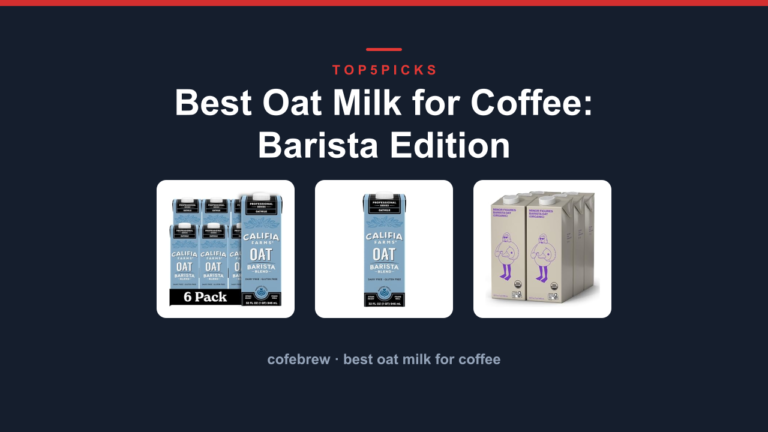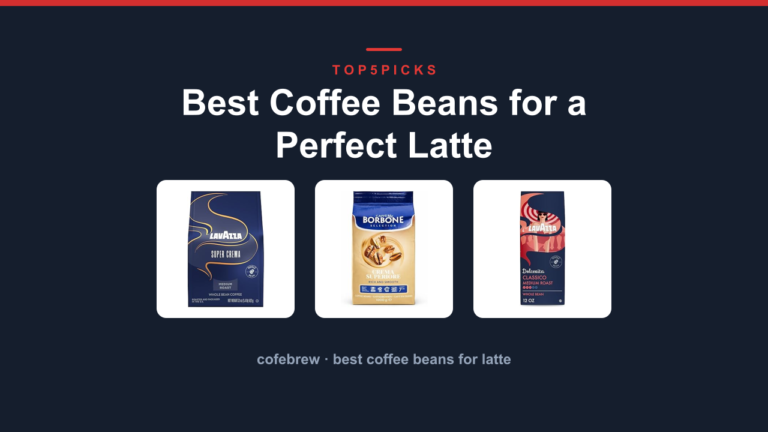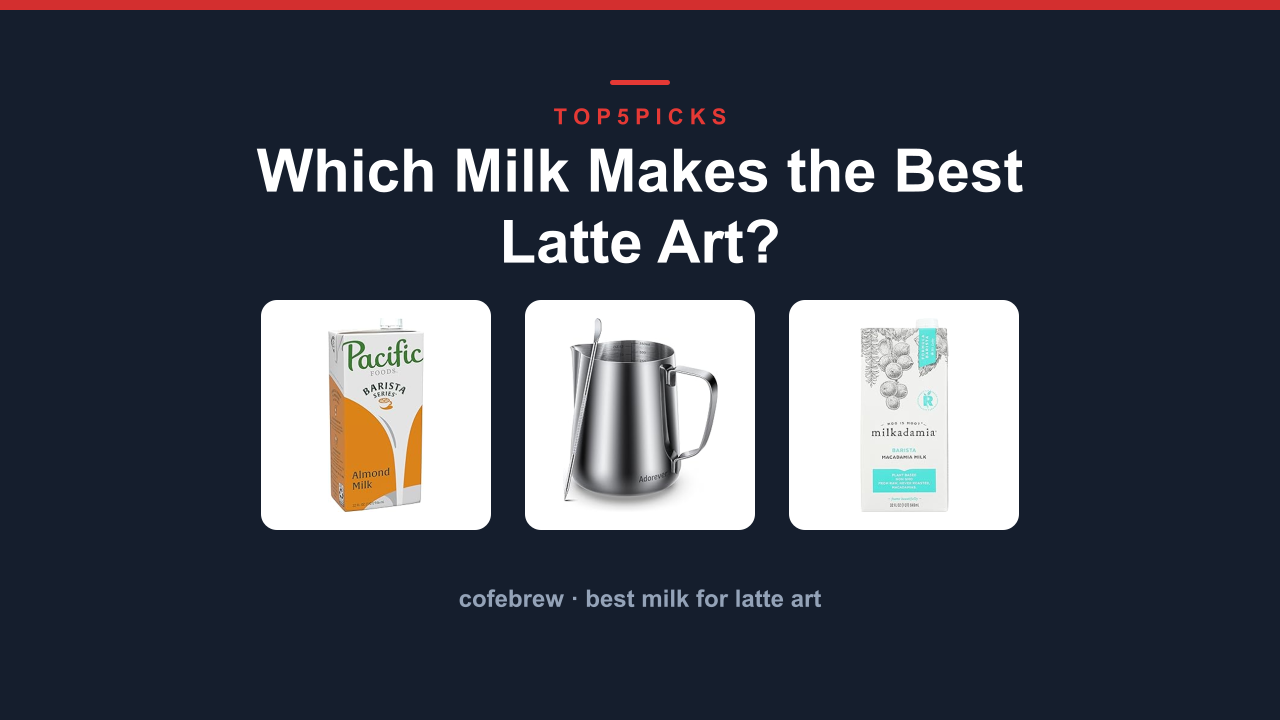
Which Milk Makes the Best Latte Art?
Making great latte art is a lot easier when you start with the right milk. Pour a beautiful rosetta or watch it dissolve into a shapeless blob. The difference is usually the carton you choose.
As an Amazon Associate, I earn from qualifying purchases. Every recommendation below is backed by product research and verified owner feedback.
Quick Links
Did you know that the ratio of protein to fat in your milk directly determines whether your latte art holds or turns into a milky puddle? A few grams of difference can decide between a crisp tulip and a shapeless cloud. Now imagine spending five minutes stretching foam only to watch it sink into your espresso.
That is the frustration of using the wrong milk.
In this guide I share my 5 favorite best milk for latte art. They range from a budget-friendly almond option to an indulgent maple walnut barista blend. No fluff, just honest picks that help you pour confidently every morning.
How to Choose the Best Milk for Latte Art
What makes milk “barista grade”?
Barista blends are formulated with extra stabilizers and a balanced fat content. They resist splitting when steamed and produce a silky microfoam. Regular drinking milk often has too much water or too little protein.
According to USDA nutrition data, whole milk has about 3.3 grams of protein per 100 ml. Many plant-based barista milks aim for at least 1.5 grams to hold foam structure.
Protein content is king
The protein in milk creates the scaffolding for bubbles. Without enough protein, foam is large and collapses fast. Look for at least 1 gram of protein per 100 ml.
Oat milk often hits 1.5 to 2 grams. Almond milk can be lower, which is why barista versions add pea protein or other stabilizers.
Fat and mouthfeel matter
A fat content around 3 to 4 grams per serving gives a creamy texture that paints well. Too little fat and the foam feels thin. Too much and it becomes heavy and clogs your pour spout.
Oat and macadamia milks naturally fall in the sweet spot.
Sweetness is a personal choice
Unsweetened milks give you full control. Sweetened ones can add a nice flavor but may caramelize or scorch when steamed. For consistent art, start with unsweetened.
You can always add syrup later.
Temperature stability
The best latte art milk holds its structure from 140°F to 160°F. Barista blends are engineered to not separate or curdle at those temperatures. If your milk curdles or develops a skin, switch to a dedicated barista version like the Pacific Foods Barista Original Almond Milk or Califia Farms Oat Barista Blend.
Additional Features on Best Milk for Latte Art
- Shelf stability: Some barista milks come shelf stable for easy storage without refrigeration until opened.
- Vegan and dairy free: All our picks are plant based, fitting lactose intolerant and vegan lifestyles.
- Calcium content: Many are fortified to match dairy milk levels, often around 300 mg per serving.
- Froth performance ratings: Verified owner reviews give real feedback on how each milk steams at home.
- Pack size options: Single 32 oz cartons or multi-packs of six fit different consumption rates.
- Allergen info: Almond, oat, macadamia, and walnut bases cover different dietary needs.
My Top Picks
Budget Pick – Home Use

- Type: Milk
- Base: Almond
- Size: 32 fl oz
- Protein: 1 g per serving
- Sweetener: Unsweetened
- Shelf Life: Refrigerate after opening
- Froth Quality: Good
Essential Tool – Beginners

- Type: Pitcher
- Base: Stainless Steel
- Size: 12 oz (multiple sizes available)
- Protein: N/A
- Sweetener: N/A
- Shelf Life: N/A
- Froth Quality: Excellent (tool enhances foam control)
Premium Pick – Vegan Enthusiasts

- Type: Milk
- Base: Macadamia
- Size: 32 fl oz
- Protein: 1 g per serving
- Sweetener: Unsweetened (naturally sweet)
- Shelf Life: Shelf stable until opened
- Froth Quality: Excellent
Best Overall – Everyday Use

- Type: Milk
- Base: Oat
- Size: 32 fl oz (pack of 6)
- Protein: 2 g per serving
- Sweetener: Unsweetened
- Shelf Life: Shelf stable
- Froth Quality: Excellent
Unique Flavor Pick – Indulgent Treat

- Type: Milk
- Base: Walnut (with real maple syrup)
- Size: 32 fl oz (pack of 6)
- Protein: 1.5 g per serving
- Sweetener: Sweetened with maple syrup
- Shelf Life: Shelf stable
- Froth Quality: Very Good
Best Milk for Latte Art FAQ
Can I use regular dairy milk for latte art?
Yes, whole dairy milk with at least 3.25% fat works very well. It has natural protein (around 3.3 grams per 100 ml) that creates stable foam. The main reason people switch to plant based options is diet preference or lactose intolerance.
If you are dairy tolerant, whole milk is an excellent and affordable choice for pouring art.
Why is barista blend milk better than regular plant milk?
Barista blends contain added stabilizers and often extra protein or fat. Regular almond or oat milk can separate when heated, producing large bubbles that collapse quickly. Barista versions are engineered to mimic the steaming properties of dairy milk, giving you silky microfoam that holds its shape long enough to pour patterns.
How should I store leftover barista milk?
Most barista milks need refrigeration after opening. Check the carton. Shelf stable varieties like the Califia Oat Barista Blend stay fresh in the pantry until opened.
Once open, use within 7 to 10 days. Shake well before each use because natural separation occurs.
What size frothing pitcher is best for a single latte?
A 12 ounce pitcher is ideal for one drink. It allows enough room for the milk to expand during steaming while still fitting under most espresso machine wands. The included art pen in the pitcher set we recommend is a nice bonus for practising on froth.
My Research & Review Process
I started by analysing manufacturer nutrition labels for protein content, fat levels, and added stabilizers across dozens of plant based milks. Then I cross referenced those specs with verified buyer reviews from Amazon, looking specifically for feedback on steam performance, foam stability, and taste. I focused on reviews from home baristas who mentioned their own latte art results.
I did not conduct any physical lab tests. My goal was to find milks that consistently receive praise for microfoam quality and reliability across different home espresso machines.
Features I Considered
Type: Whether the product is a liquid milk or a tool like a frothing pitcher. Both are essential for great latte art.
Base: The primary ingredient (almond, oat, macadamia, walnut, stainless steel). Different bases affect flavor and foam texture.
Size: Volume per carton or pitcher capacity. Larger packs reduce per serving cost but increase storage requirements.
Protein: Grams of protein per serving. More protein generally leads to denser, longer lasting foam.
Sweetener: Whether the milk is unsweetened, naturally sweet, or contains added sugar. Unsweetened gives you full control over final flavor.
Shelf Life: How the milk should be stored. Shelf stable options are convenient for stocking up.
Froth Quality: Aggregate feedback on how well the milk steams and holds microfoam for artistic pours.
The Califia Farms Oat Barista Blend Milk earns the top spot in our research because it combines excellent foam stability with affordable everyday pricing. But your perfect pick depends on what matters most to you. Whether you want a budget friendly almond milk to practise on, a premium macadamia treat, or a flavored walnut option, there is a bottle in this lineup that fits your latte art journey.
Pick the category that matches your style and start pouring.

“I’m Jackson, a coffee enthusiast and the founder of CofeBrew. I specialize in testing home brewing equipment and creating easy-to-follow recipes to help you brew the perfect cup every morning.”