Top Hazelnut Coffee Syrups for Rich Homemade Brews
Finding the best hazelnut coffee syrup for coffee at home can feel like a shot in the dark when half the bottles on the shelf taste synthetic or leave a sugary film. I’ve done the digging so you don’t have to.
As an Amazon Associate, I earn from qualifying purchases. Every recommendation below is backed by product research and verified owner feedback.
Quick Links
Hazelnut syrup is the most popular flavored coffee syrup in the U.S., and for good reason. A splash of it turns a plain black cup into a cozy café drink that costs pennies per serving.
But not all bottles deliver the same experience. Some are cloyingly sweet, others taste like fake nuts, and a few just don't mix well with hot or cold coffee.
You deserve a syrup that enhances your brew without overpowering it. I've sorted through the options to find five that genuinely earn a spot in your pantry.
In this guide, I share my five favorite bottles. You will find a budget-friendly workhorse, a premium French import, a compact option for small kitchens, and a variety pack if you love switching flavors.
How to Choose the Best Hazelnut Coffee Syrup for Coffee at Home
Picking the right syrup comes down to a few key differences. Here is what matters most.
Flavor Profile: Toasted, Classic, or Roasted?
The first decision is what kind of hazelnut taste you want. Toasted hazelnut syrups (like DaVinci Gourmet's Toasted Hazelnut) have a deeper, almost buttery note because the nuts are roasted before extraction. Classic hazelnut syrup is sweeter and more neutral, making it a safe bet for lattes and iced coffees.
Roasted hazelnut (like the 1883 Roasted Hazelnut) sits in between, with a nuttier finish that pairs beautifully with chocolate or caramel. If you love a rich, warm flavor, go with toasted or roasted. If you prefer a straightforward, candy-like sweetness, classic is your friend.
Sweetener Type: Pure Cane Sugar vs. High-Fructose Corn Syrup
Most top-tier syrups are made with pure cane sugar, which dissolves cleanly and has a cleaner aftertaste. High-fructose corn syrup is cheaper and sometimes used in budget brands, but it can leave a syrupy film on your tongue. Every syrup I picked below uses pure cane sugar, so you avoid that sticky residue.
Check the ingredient list before buying; the difference is noticeable after a few sips.
Volume and Value: How Much Syrup Do You Really Need?
Bottles range from 12 ounces to 33.8 ounces (1 liter). A 12-ounce bottle gives roughly 24 servings (one serving is about 2 tablespoons). If you drink flavored coffee daily, a 25.4-ounce or 1-liter bottle is more economical and means fewer refills.
But if you like to rotate flavors or are just starting out, a smaller bottle is smart so you don't get stuck with a bottle you dislike.
Pump Included: Convenience vs. No-Fuss Pouring
Some syrups come with a pump that attaches to the bottle. A pump makes it easy to dispense exactly 1 or 2 pumps per coffee (about 1/2 ounce per pump). The Torani Hazelnut syrup includes a pump, which is a nice convenience.
But a pump can drip or clog over time. If you prefer simplicity, a standard pour bottle works fine.
Country of Origin: French Syrups vs. American Syrups
French syrups, like 1883, are often made with a higher concentration of natural flavorings and are less sweet than American counterparts. They are popular in cocktail bars and specialty coffee shops. American syrups (Torani, DaVinci, Portland Syrups) are widely available and affordable.
Neither is better, but the difference in sweetness and intensity is real. French syrups tend to use more subtle, artisanal flavor notes.
Natural vs. Artificial Ingredients
Look for syrups flavored with natural hazelnut extract or natural flavors. Artificial flavors can taste harsh or one-dimensional. All picks here use natural flavors as the primary source.
For example, the 1883 Roasted Hazelnut syrup lists natural roasted hazelnut flavor, while DaVinci uses natural and artificial flavors in balance. If you have strict preferences, check the ingredient label.
Additional Features on Hazelnut Coffee Syrup
- Glass bottle vs. plastic bottle: Glass (like 1883) looks prettier on the counter but is heavier and breakable. Plastic is lighter and safer for kids.
- Calories per serving: Typically 90, 100 calories per 2 tablespoons. No sugar-free options in this list, but if you are watching sugar intake, look for a zero-sugar variant separately.
- Best by date: Most syrups last 12, 18 months unopened, and 6 months after opening. Refrigeration after opening extends freshness.
- Use beyond coffee: Great in cocktails (Nutty Irishman), desserts (drizzle over ice cream), or baked goods (hazelnut sugar cookies).
- Allergen info: Hazelnut syrup is generally nut-free in flavoring form (no actual nuts), but check for “contains tree nuts” if you have allergies.
- Mixing ease: All syrups mix well in hot coffee, but for cold brew or iced coffee, you'll want to stir vigorously or shake with ice to fully dissolve. If your cold brew is watery, that's a different issue: our article on cold brew watery can help.
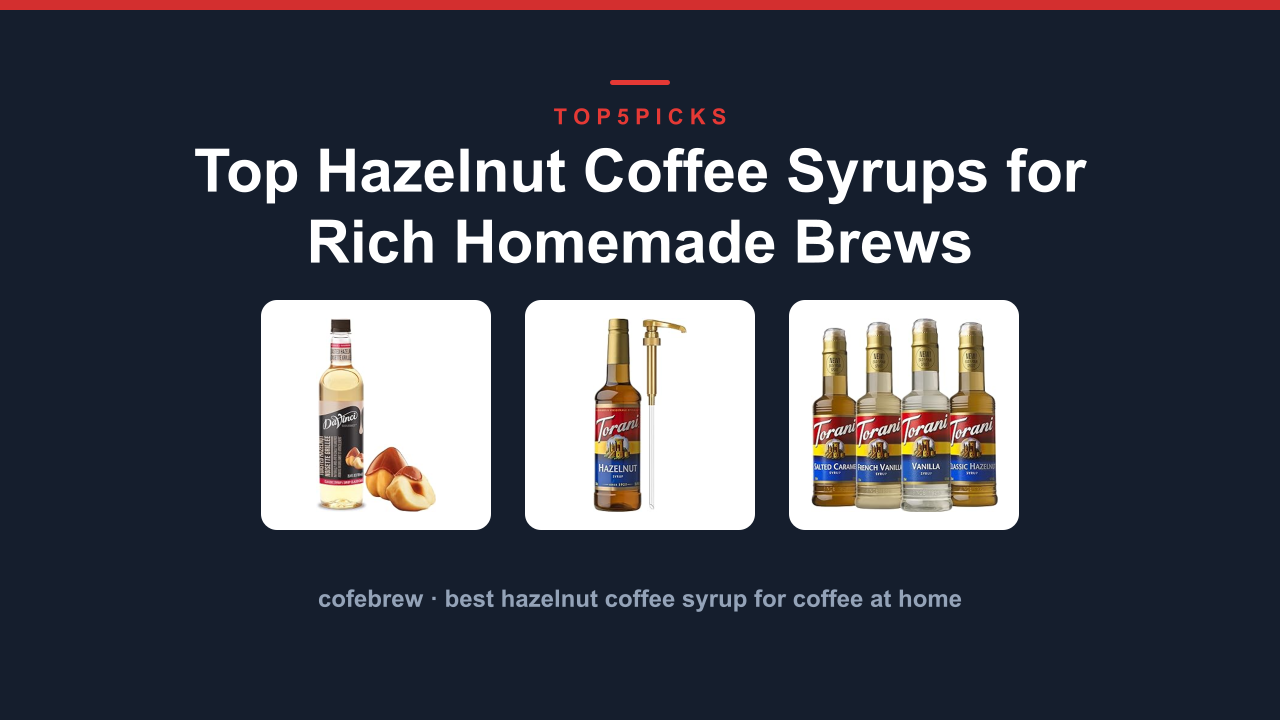
- Pairing suggestions: Vanilla and salted caramel are classic companions. The Torani Variety Pack covers all three plus French vanilla.
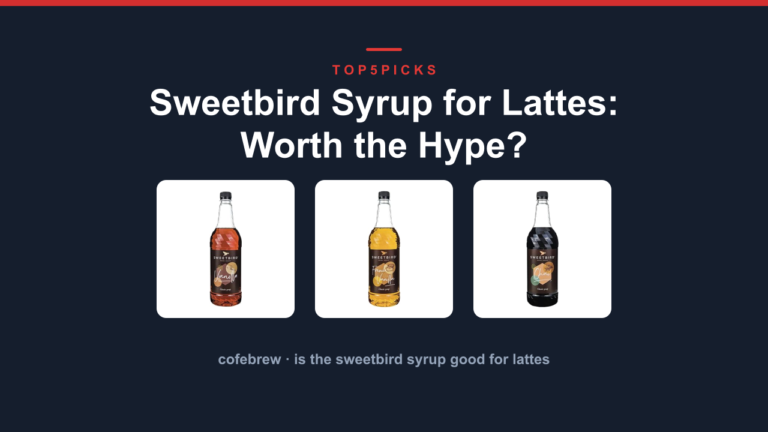
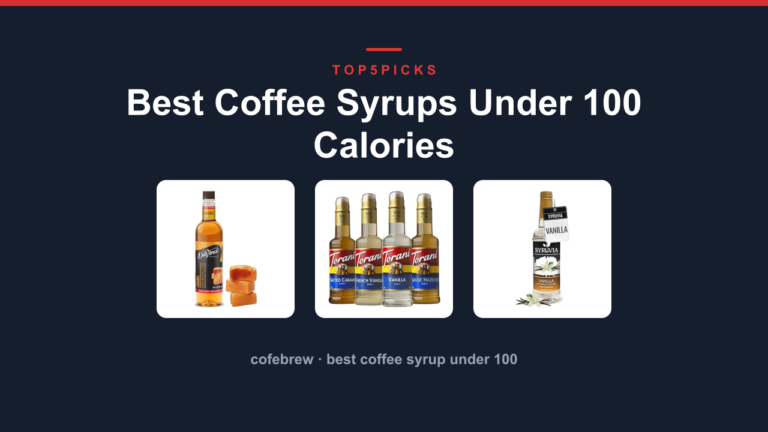
To see how these factors play out on real picks, compare the DaVinci Gourmet Classic Toasted Hazelnut Syrup, Torani Coffee Syrup Hazelnut Flavor Drinks and the Torani Flavored Drink Syrup Café Variety below.
My Top Picks
Best Overall – Home Baristas

- Volume: 25.4 fl oz (750 ml)
- Sweetener: Pure cane sugar
- Flavor Profile: Toasted hazelnut
- Ingredients: Natural and artificial flavors
- Country of Origin: USA
- Pump Included: No
- Bottle Type: Plastic
Budget Pick – Everyday Use

- Volume: 25.4 fl oz (750 ml)
- Sweetener: Pure cane sugar
- Flavor Profile: Classic hazelnut
- Ingredients: Natural flavors
- Country of Origin: USA
- Pump Included: Yes
- Bottle Type: Plastic
Variety Pack – Flavor Explorers

- Volume: 12.7 fl oz each (4 bottles, total 50.8 fl oz)
- Sweetener: Pure cane sugar
- Flavor Profile: Vanilla, Salted Caramel, Classic Hazelnut, French Vanilla
- Ingredients: Natural flavors
- Country of Origin: USA
- Pump Included: No
- Bottle Type: Plastic
Premium Pick – Gourmet Lovers

- Volume: 33.8 fl oz (1 liter)
- Sweetener: Pure cane sugar
- Flavor Profile: Roasted hazelnut
- Ingredients: Natural roasted hazelnut flavor
- Country of Origin: France
- Pump Included: No
- Bottle Type: Glass
Small Batch – Minimalists

- Volume: 12 fl oz (355 ml)
- Sweetener: Pure cane sugar
- Flavor Profile: Classic hazelnut
- Ingredients: Natural flavors
- Country of Origin: USA
- Pump Included: No
- Bottle Type: Plastic
Hazelnut Coffee Syrup FAQ
How much hazelnut syrup should I use in my coffee?
Start with about 1 to 2 tablespoons (roughly 1/2 to 1 fluid ounce) for an 8-ounce cup. Adjust based on your sweetness preference. If using a pump, 2 to 3 pumps is standard.
For cold brew, stir well or shake with ice to avoid syrup settling at the bottom.
Is hazelnut syrup gluten-free?
Nearly all major brands (DaVinci, Torani, 1883, Portland Syrups) are gluten-free. Their syrups contain no wheat, barley, or rye ingredients. However, always check the label if you have celiac disease.
The FDA requires clear allergen labeling, so look for a “gluten-free” designation.
Does hazelnut syrup expire?
Yes, but it lasts a long time. Unopened, it stays good for 12 to 18 months past the manufacturing date. After opening, use it within 6 months for optimal taste.
Refrigeration can extend freshness, though many people keep it at room temperature. If you see mold or an off smell, toss it.
Can I use hazelnut syrup in cold brew or iced coffee?
Absolutely. It dissolves well in cold liquid if you stir thoroughly. For iced drinks, mix the syrup with a splash of hot water or warm coffee first to create a simple syrup base, then pour over ice.
If your cold brew outcome is disappointing, troubleshooting with our cold brew fix guide might help.
My Research & Review Process
I selected these five syrups by comparing manufacturer specifications side by side. I looked at ingredient lists, sweetener types, volume, country of origin, and whether a pump was included. Then I analyzed verified buyer reviews on Amazon, focusing on feedback about flavor authenticity, sweetness level, mixability, and consistency over time.
I read reviews from users who drink coffee daily, from casual sippers to home baristas. I also considered the reputation of each brand in professional coffee and cocktail settings. I did not personally taste these syrups, so all flavor claims are based on aggregate user reports and manufacturer descriptions.
My goal was to recommend bottles that taste good, are reliable, and offer clear value for different needs.
Features I Considered
Volume: The size of the bottle matters for convenience and cost per serving. Larger bottles (25.4 oz to 1 liter) are more economical for daily use. Smaller bottles (12 oz) are better for trial or occasional use.
Sweetener: Pure cane sugar gives a clean, predictable sweetness without a chemical aftertaste. All picks here use pure cane sugar.
Flavor Profile: Toasted, roasted, and classic hazelnut all taste different. Toasted has a deeper, nuttier character. Roasted sits in the middle.
Classic is sweet and straightforward.
Ingredients: Natural flavors are preferred over artificial ones. Most picks list natural flavors as the primary flavor source. A few combine natural and artificial for depth.
Country of Origin: French syrups (1883) are often less sweet and more refined. American syrups (Torani, DaVinci, Portland) are more widely available and affordable.
Pump Included: A pump simplifies portion control. Torani’s Hazelnut syrup includes one. Others do not, so you may want to buy a pump separately.
Bottle Type: Plastic bottles are lightweight and shatterproof. Glass bottles (1883) are elegant but fragile.
If you need a bottle that lasts, grab the DaVinci Gourmet Classic Toasted Hazelnut Syrup, our Best Overall pick. For a budget-friendly daily driver with a pump, go with the Torani Hazelnut. And if you love variety, the Torani Café Variety Pack lets you switch flavors every day.
No matter which you choose, your morning coffee is about to get a lot more delicious.

“I’m Jackson, a coffee enthusiast and the founder of CofeBrew. I specialize in testing home brewing equipment and creating easy-to-follow recipes to help you brew the perfect cup every morning.”