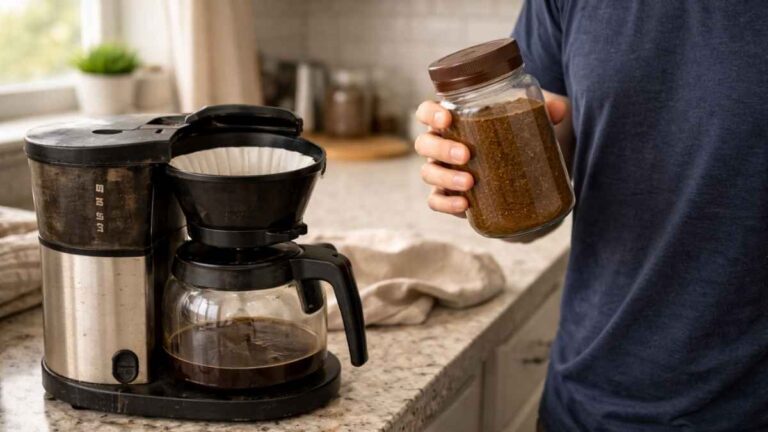
Mornings do not always go as planned. I have stood in my kitchen, tired and rushed, with no ground coffee left and only instant coffee in my hand. That is when I asked myself how to make instant coffee in coffee maker and whether it would even work.
I tested it. I made mistakes. I cleaned up messes. And I learned what actually happens inside the machine.
In this guide, I share what works, what fails, and the safest way to get a good cup without damaging your coffee maker. If you are short on time and low on coffee options, this will help you avoid stress and wasted effort.
Can Instant Coffee Really Work in a Coffee Maker?
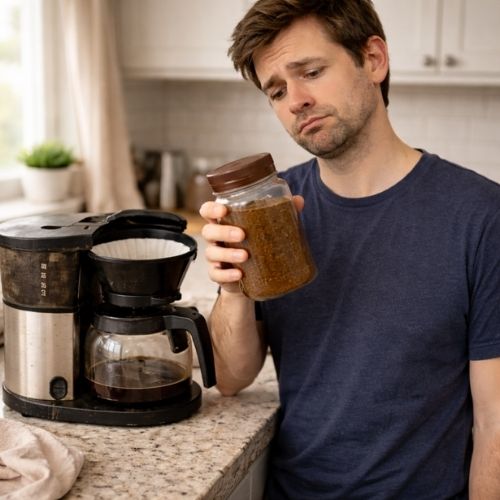
Yes, you may use instant coffee in a coffee maker, but it is not advisable. I tried it once on a hectic morning, and the coffee was weak and flat.
Coffee makers are built for ground coffee. They slowly push hot water through grounds to extract flavor. Instant coffee does not need brewing time. It dissolves almost instantly.
When you use instant coffee in a coffee maker, the water travels too quickly. There are no extractions. The end result is thin coffee with no flavor.
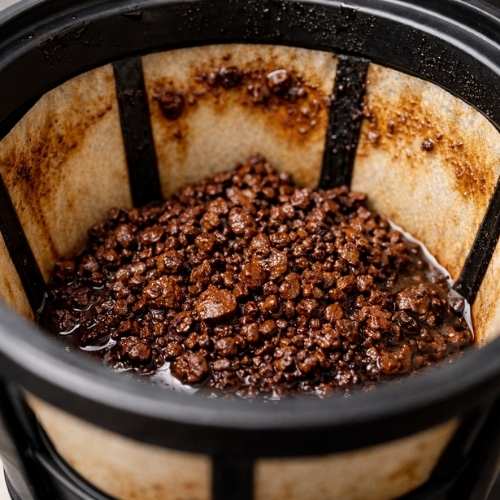
The problems appear quickly. The coffee tastes dull, the filter may clog, and cleanup becomes messy. I had wet coffee residue stuck in the basket after one try.
So if you ask, can instant coffee go in a coffee maker, the honest answer is yes — but you should skip it.
Can You Use Instant Coffee in a Drip Coffee Maker?
Yes, instant coffee can be used in a drip coffee maker, but the result is poor. I tried this when I was rushing out the door, and the cup tasted lifeless.
Drip coffee makers work by slowly dripping hot water over coffee grounds through a paper filter. This slow process builds flavor. Instant coffee dissolves too fast, so the machine has nothing to brew.
The results are always the same. The coffee tastes weak, and the filter often ends up sticky. After one test, I had coffee dust clinging to the basket.
So while instant coffee in a drip coffee maker is possible, it is not worth repeating.
What Happens If You Put Instant Coffee in a Coffee Maker?
Putting instant coffee in a coffee maker produces weak coffee. I tested this by placing instant coffee directly into the filter basket. The machine ran normally, but the cup tasted empty.
Here is what happens step by step:
Hot water enters the basket as usual. The instant coffee dissolves immediately. Because it does not need brewing time, the water flows through without building flavor.
The taste is the first warning sign. The coffee smells right but tastes thin, almost like colored water.
Over time, the machine can also suffer. Sticky coffee residue can coat the basket and clog the filter. One try may not harm the machine, but repeating it can cause problems.
So yes, you can brew instant coffee in a coffee maker, but it hurts both taste and machine performance.
How to Make Instant Coffee in a Coffee Maker (If You Must)
Yes, you can make instant coffee in a coffee maker safely, but only if you use the machine for hot water — not brewing.
I have done this on rushed mornings when there was no other option.
❌ Method That Causes Problems (What Not to Do)
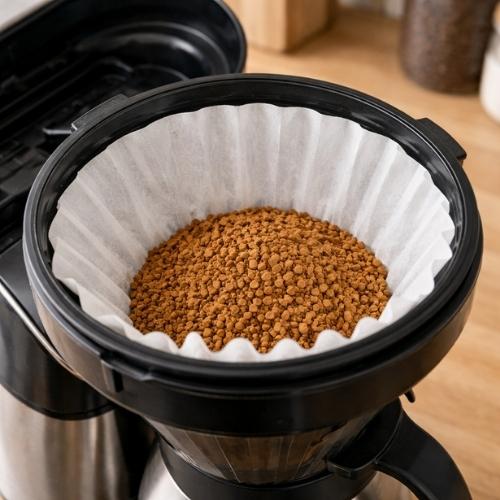
Do not put instant coffee in the filter basket. I tried this once, and it failed immediately.
Instant coffee dissolves the moment water touches it. There is no extraction time. The water rushes through, leaving weak coffee and sticky residue behind.
This method never produces good results.
✅ Safer Workaround Method (What Actually Works)
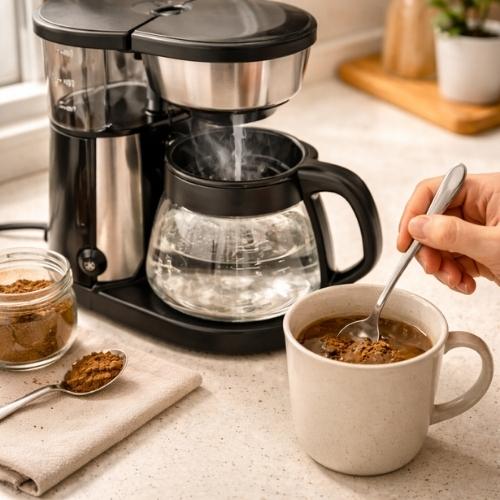
Dissolve instant coffee in your cup, not inside the machine.
Steps:
- Fill the coffee maker with clean water
- Leave the filter basket empty
- Run the machine to heat the water
- Add instant coffee to your mug
- Pour boiling water in the cup and stir.
This is the cleanest way to make instant coffee using a coffee maker. It avoids mess, protects the machine, and saves time.
When people ask, can I make instant coffee in a coffee maker, this is the only method I recommend.
Better Ways to Make Instant Coffee (Recommended)
Instant coffee works best when kept simple. After many rushed mornings, these are the methods I trust most.
Mug + Kettle Method (Best Overall)
This is my go-to method. Add instant coffee to a mug. Pour hot water from a kettle. Stir once. Clean, fast, and reliable.
French Press Method
This works when I want a smoother cup. Add instant coffee to the press. Pour hot water. Wait briefly, then press. The coffee feels fuller.
Pour-Over Method
Add instant coffee to a mug. Pour hot water slowly. This gives steady heat and better control.
Travel-Friendly Method
I carry instant coffee and use hot water from hotel kettles or cafés. It is fast, safe, and stress-free.
Instant Coffee vs Ground Coffee (Quick Comparison)
| Feature | Instant Coffee | Ground Coffee |
| Flavor | Light and simple | Rich and full |
| Strength | Easy to weaken | Easy to control |
| Convenience | Very fast | Takes more time |
| Cost | Often cheaper | Can cost more |
| Machine Use | Hot water only | Coffee makers |
What Coffee Do You Use in an Espresso Machine?
Use ground espresso coffee only. I learned this early on.
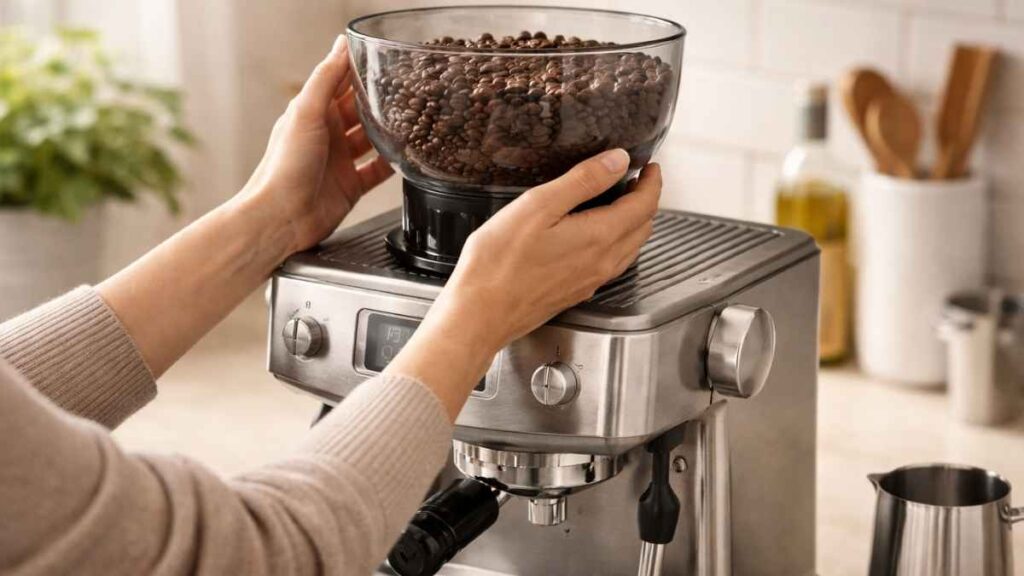
Espresso machines use high pressure to push hot water through fine coffee grounds. This pressure creates bold flavor and crema. Instant coffee dissolves instantly and cannot handle pressure.
Instant coffee is already brewed. The machine has nothing to extract.
If you ask, what coffee do you use in an espresso machine, the rule is simple: use finely ground espresso coffee only.
Can You Use Instant Coffee in Other Machines?
Instant coffee works best with hot water, not brewing machines.
Keurig / Pod Machines
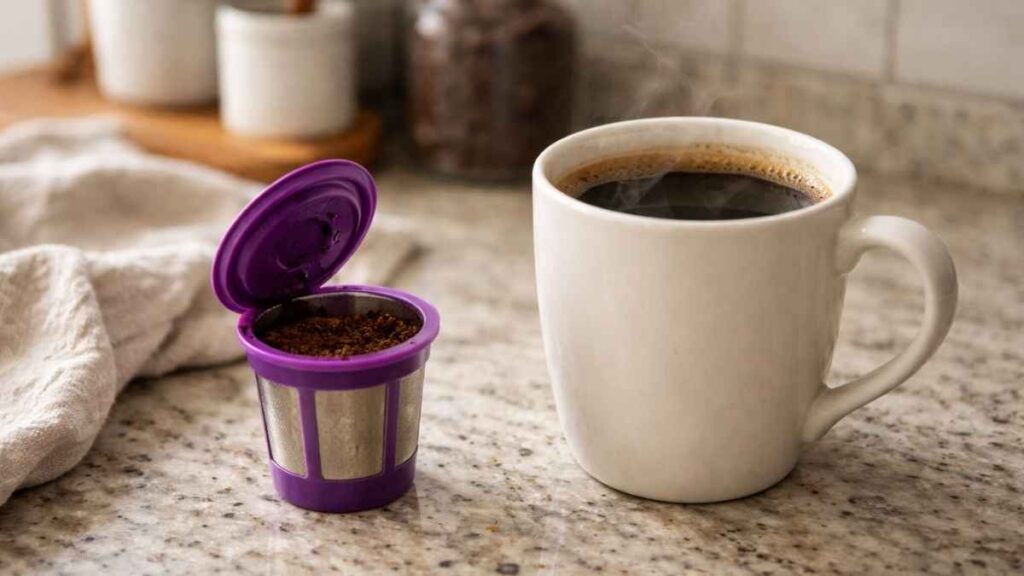
Instant coffee does not work well in Keurig machines. I tested it with a reusable pod. The cup was weak and flat.
Espresso Machines
Never use instant coffee in an espresso machine. I tested it once out of curiosity. The result was hot, flavored water with no body.
Single-Serve Coffee Makers
Most single-serve machines still brew coffee. Instant coffee leaves residue and produces dull flavor.
Instant coffee prefers simple tools. A mug and hot water work best.
Pros and Cons of Using Instant Coffee in a Coffee Maker
| Aspect | Pros | Cons |
| Convenience | Emergency option | Not designed for machines |
| Taste | Smells right | Weak and watery |
| Cleanup | Easy once | Residue builds up |
| Machine Impact | No grinder | Filter clogs |
| Overall | Works once | Not worth repeating |
How to Make Instant Coffee Taste Better (Expert Tips)
Small changes make a big difference.
- Water temperature: Let boiling water rest a few seconds
- Ratios: Use less water, add coffee if weak
- Add-ins: Milk smooths bitterness
- Flavor boosts: Vanilla, cocoa, honey, or cinnamon
These tricks saved many dull cups for me.
Common Mistakes to Avoid
- Using boiling water
- Adding too much water
- Putting crystals in filters
- Expecting espresso-level strength
Instant coffee is simple. When you stop forcing it into machines, it becomes easier to enjoy.
This video shows a simple method for mixing instant coffee with hot water to make a cup you’ll enjoy.
Conclusion: how to make instant coffee in coffee maker
You can prepare instant coffee in a coffee machine, but this is not the ideal method. I discovered this via trial and error.
The safest way to use the machine is to only use hot water. A mug and hot water provide the best cleaning results while also protecting your equipment.
Instant coffee performs best when used as intended. When you respect its bounds, it becomes calm, quick, and dependable.
FAQs
Can you put instant coffee in a coffee maker?
Yes, but you should not. It causes weak coffee and mess.
Can you make instant coffee in a coffee maker?
Yes, by using it to heat water only.
Can you brew instant coffee in a coffee machine?
No. Instant coffee is already brewed.
Is instant coffee bad for coffee makers?
Not once, but repeated use can clog filters.
Can instant coffee be used for iced coffee?
Yes. Dissolve it in hot water, then add ice.
Related Post:
- How to Use a Keurig Machine
- How to clean a coffee maker without vinegar
- How to Fix Leaking Bunn Coffee Maker
- how to unlock hopper on breville coffee maker
- Cuban Coffee Recipe

“I’m Jackson, a coffee enthusiast and the founder of CofeBrew. I specialize in testing home brewing equipment and creating easy-to-follow recipes to help you brew the perfect cup every morning.”