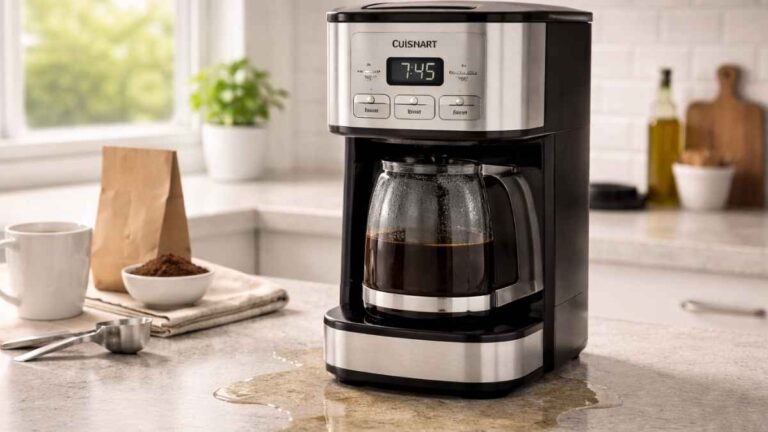
A big spill on the floor is the worst way to wake up. My own Cuisinart coffee maker leaking water made a huge mess for me. I fix things all the time, so I know what to do. If you want to know how to fix leaking Cuisinart coffee maker parts, I can help. Let us grab some tools and fix your drip right now!
Why Is My Cuisinart Coffee Maker Leaking? (Common Causes)
Most leaks happen because of hard water scale, broken seals, or clogs. This is a very common problem for many people. It is also easy to fix right at home. Let us look at the main causes of a drip.
Here are the top reasons for your mess. I have dealt with all of these issues myself over the years.
- Scale buildup: Hard water clogs the inside tubes over time.
- Bad brew basket or gasket: A torn rubber seal lets water slip out.
- Cracked water tank: A Cuisinart coffee maker cracked water reservoir drips fast.
- Broken inside hose: A loose tube causes a Cuisinart coffee maker dripping from bottom.
- Clogged spray head: Stray coffee grounds block the water flow.
- Brewing overflow: A Cuisinart coffee maker overflow issue spills coffee everywhere.
The first step is to identify the specific location of the leak. Once you find the spot, a Cuisinart coffee maker leak repair is easy. Grab a dry towel and a bright flashlight. We will stop that drip together right now!
How to Fix a Leaking Cuisinart Coffee Maker Step by Step
You can learn how to fix leaking Cuisinart coffee maker step by step with just a few tools. Grab some white vinegar, a screwdriver, and a paperclip.I will guide you through the precise measures I take to preserve my morning brew. Let us fix that pesky leak right now.
Step 1 – Clean and Descale the Machine
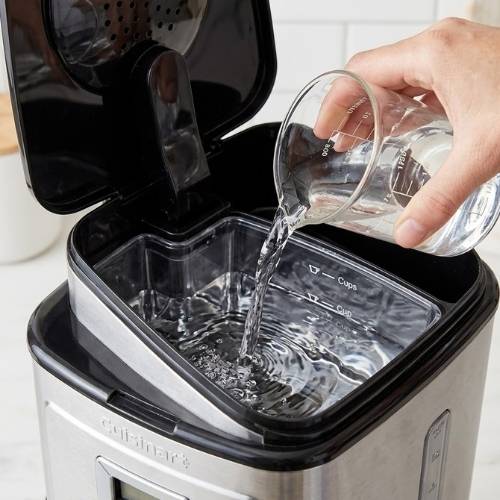
Start by combining equal amounts white vinegar and water. Mineral buildup acts like tiny rocks in your water tubes. This hard blockage pushes water out the sides. Pour the vinegar mix into the tank and run a full brew cycle.
Run two or three plain water cycles after the vinegar. This rinses out the sour taste so your coffee stays fresh. A good deep clean fixes most slow flow and dripping issues instantly. I do this every month to keep my machine running like new.
Step 2 – Check the Brew Basket and Valve
Take out the brew basket and look at the bottom valve. This pause-and-serve part lets you grab a cup early. A worn rubber washer or stuck spring leaks water everywhere. A Cuisinart coffee maker gasket replacement is a fast fix. Do this if the rubber looks dry or torn.
Press the tiny plunger with your finger to check for stuck grounds. Wash the whole basket in warm, soapy water to clear debris. If the spring feels weak, you might need a new basket. Clean parts keep the water flowing straight down into your pot.
Step 3 – Inspect the Carafe for Damage
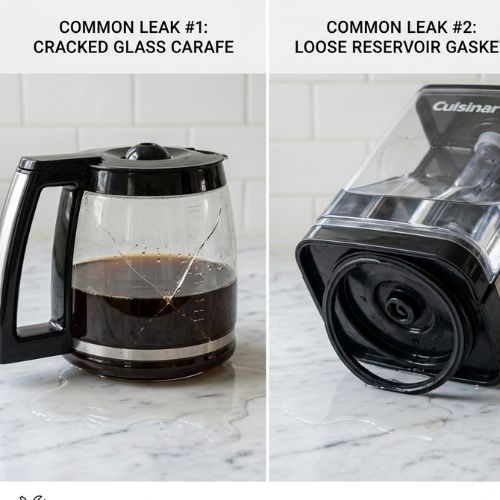
Check your glass pot for hairline cracks or a broken lid. Even a tiny crack expands when hot and leaks coffee. The lid must snap on tight to push the brew basket valve up. If the lid sits wrong, the basket fills up fast and overflows.
Make sure the pot sits flat on the warm plate. A crooked pot stops the drip valve from opening at all. Always slide the carafe all the way in before you brew. This simple check saves you from a massive morning spill.
Step 4 – Examine the Water Reservoir
Shine a bright light inside the water tank to spot damage. A Cuisinart coffee maker cracked water reservoir drips water fast. It leaks before you even turn the machine on. Look closely at the round valve at the very bottom. A loose seal here makes a big puddle.
You can seal tiny hairline cracks with food-safe silicone. However, buying a new tank is the safest choice for a big crack. Check the rubber ring around the bottom valve to ensure a tight fit. A snug seal stops a Cuisinart coffee maker leaking from reservoir completely.
Step 5 – Fix Leaks from the Bottom/Base
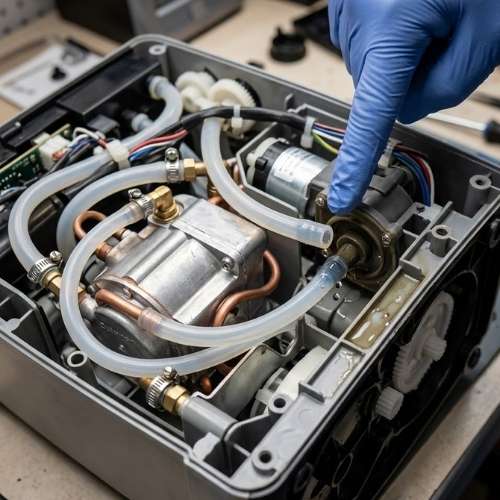
Unplug your machine and flip it upside down to check the inside. Water pooling underneath usually means a Cuisinart coffee maker internal hose leak. Grab a screwdriver and take off the bottom plastic panel. You will see clear rubber tubes carrying water to the heater.
Look for loose hoses or white crusty spots near the metal clamps. If a hose slipped off, just push it back on tightly. A dry, cracked tube must be swapped out for a new one. A Cuisinart coffee maker dripping from bottom is a simple fix. It is just like fixing a tiny pipe.
Step 6 – Clean the Spray Head and Needles
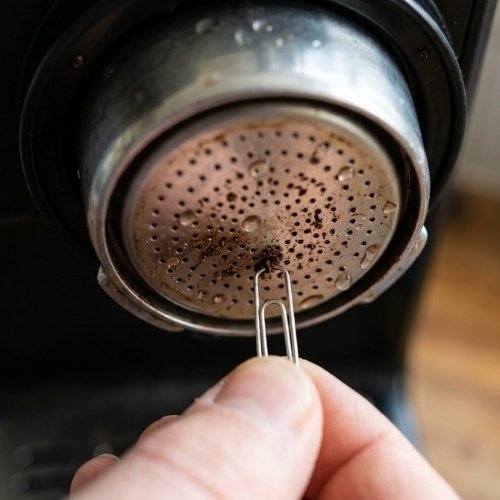
Unbend a metal paperclip to poke inside the tiny water holes. A Cuisinart coffee maker spray head clog is very common. Coffee grounds splash up and stick to the top. When these holes block, water sprays sideways and drips outside the machine.
Use a small brush to scrub the showerhead area gently. Clearing these holes stops a messy Cuisinart coffee maker overflow issue. The hot water will shower evenly over your grounds once it is clear. A clean spray head gives you a much better tasting cup of coffee too.
Cuisinart Coffee Maker Leak Troubleshooting by Location
Look right at the puddle first. I run plain water through my machine to test it. The wet spot tells you what is wrong. Let us check four main leak spots now.
Leaking While Brewing
A Cuisinart coffee maker leaking while brewing means a top clog. Old grounds block the top holes. Hot water splashes out fast. Poke a wire in the head to clean it. Keep your pot flat on the warm plate.
Leaking from Bottom/Base
A Cuisinart coffee maker leaking from base means a loose hose. A loose tube lets water pool fast. Pull the plug and pop off the bottom plate. Push the loose hose back on its clip. This stops the leak cold.
Leaking from Reservoir
A Cuisinart coffee maker leaking from reservoir means a bad tank seal. Water runs out before you start to brew. Shine a bright light to spot cracks. Push down on the bottom rubber ring. This seals it right away.
Dripping from Brew Basket
A drip from the brew basket means a bad spring. The bottom valve fails to close up tight. Wash the basket well with dish soap. A quick Cuisinart coffee maker gasket replacement stops the drips. Just change the torn rubber ring.
When to Replace Parts vs Repair
You replace parts if they break, but repair things that are just loose. I check part prices before I buy a whole new machine. A simple home coffee maker repair saves a lot of cash. Let us learn when to fix or when to toss it.
You need a Cuisinart coffee maker gasket replacement if the rubber tears. You can not glue a bad rubber seal back together. Buy a new one if it feels dry or hard. These small parts cost just a few dollars.
You should buy a brand new tank if yours has a deep crack. A Cuisinart coffee maker cracked water reservoir is tough to fix permanently. Glue only seals tiny cracks for a few short days. A fresh tank costs about twenty dollars online.
A bad Cuisinart coffee maker internal hose leak requires a brand new tube. You must never put tape on a hot pipe. Hot water just melts the tape away fast. Buy safe silicone hoses from a store to fix it right.
Fix your machine if the new parts cost less than thirty bucks. A standard drip coffee maker leak repair is very cheap. Buy a brand new machine if the main hot plate breaks. I swap cheap parts to save my hard-earned cash.
” Cuisinart Coffee Makers Manuals & Product Help – Official Cuisinart page where you can find user manuals, troubleshooting information, and product support for all Cuisinart coffee maker models.”
Preventing Future Leaks (Maintenance Tips)
Descale your pot every month to stop a leak. I clean my unit on the first of the month. Hard scale breaks the tubes fast. A clean pot will not make a wet mess.
Wash the brew basket with soap each day. This daily routine stops clogs fast. Old coffee bits turn hard and block the hot flow. Wash the glass pot so the lid fits well.
Stop filling the tank past the max line. Too much water makes a big mess. Use less ground coffee in the top bin. A full bin will flood when it gets hot.
Check the rubber seals and base tubes twice a year. A quick look stops a big drip before it starts. I flip my machine over each spring to check the parts. Good care keeps your pot brewing hot for years.
Common Cuisinart Coffee Maker Problems (Beyond Leaks)
Fixing Cuisinart coffee maker common problems is fast and easy. A slow drip means hard scale blocks the hot water path. You must run a full vinegar wash to speed it up. I fix my slow pot this way every single month. It works like pure magic for me.
Weak coffee happens when the hot water runs too fast. You need fresh beans and a good grind for a strong cup. A clean spray head soaks the dry grounds much better. I always use a medium grind for the best bold taste. This simple trick makes a rich dark brew.
Coffee maker water flow problems stop your morning routine cold. A stuck bottom valve blocks the hot stream from falling. Wash the brew basket well to clear out old hard bits. Poke a tiny pin in the top holes to free the flow. A clear path makes a fast and hot pot.
Your machine will not turn on if the plug is bad. You must check your wall switch and reset the cord first. Try a new wall outlet in the room to be sure. I saved a dead pot once just by changing the plug. It was a very happy morning for me.
A fast plug pull fixes most weird bugs right away. Pull the cord out and wait for five full minutes. Plug it back in to clear the main brain board. A good coffee maker troubleshooting guide starts with a clean pot. Keep your parts washed to stop most bad faults.
Conclusion
A wet counter is no reason to toss your pot. Most coffee maker leaks are an easy home fix. You can stop the drip with a quick wash or a cheap part. I have saved many pots from the trash this exact way.
Good care keeps your morning brew hot and safe. Regular cleaning acts like a strong shield against hard scale. Wash your parts well to stop a coffee maker leaking water fast. A clean machine will brew a perfect cup for years.
Try these quick steps before you buy a brand new one. A simple Cuisinart coffee maker leak repair saves a lot of cash. You have all the skills you need to fix this small mess right now. Grab a rag and enjoy your fresh hot coffee today!
Frequently Asked Questions (FAQs)
Why is my Cuisinart coffee maker leaking from the bottom?
A base leak means a loose tube inside. You can fix this Cuisinart coffee maker internal hose leak fast. Pull the plug. Pop off the base. Push the loose hose back on. This stops the wet mess.
How do I stop my coffee maker from leaking while brewing?
Clean the top head to stop a Cuisinart coffee maker leaking while brewing. A top clog pushes hot water out. Poke a pin in the holes. This stops the bad overflow issue fast. Keep the pot flat.
Can I fix a cracked water reservoir?
You can not fix a Cuisinart coffee maker cracked water reservoir for long. Hot glue will fail fast. Buy a brand new tank to stop a Cuisinart coffee maker leaking from reservoir. It is cheap and safe.
How often should I descale my coffee maker?
Wash your pot with white vinegar each month. This stops hard scale from blocking tubes. This is the best way to learn how to fix leaking Cuisinart coffee maker parts. Clean pots do not drip or spill.
Is it worth repairing a leaking coffee maker?
Yes, a quick Cuisinart coffee maker leak repair is worth it. Small seals cost just a few cents. A fast drip coffee maker leak repair saves a lot of cash. You do not need a brand new pot right now.
Related Post:
- how to dispose of coffee maker
- how to clean reusable k cup
- how to make instant coffee in coffee maker
- how to use drew barrymore coffee maker
- How To Fix Mr Coffee Espresso Machine
- How to Clean Farberware Dual Brew Coffee Maker
- How to Use CV1 Coffee Maker
- cuisinart coffee maker grounds overflow

“I’m Jackson, a coffee enthusiast and the founder of CofeBrew. I specialize in testing home brewing equipment and creating easy-to-follow recipes to help you brew the perfect cup every morning.”