Best Low Acid Coffee for a Gentle Brew
Struggling with acid reflux but can't give up your morning cup? Here are the 5 best low acid coffee options that actually taste great.
As an Amazon Associate, I earn from qualifying purchases. Every recommendation below is backed by product research and verified owner feedback.
Quick Links
Did you know that nearly 1 in 5 Americans experiences acid reflux regularly? That burning sensation after a meal isn't just uncomfortable. It can turn your morning coffee ritual into a painful gamble.
If you've ever had to choose between your favorite brew and a calm stomach, you're not alone. The good news is that you don't have to give up coffee entirely. You just need to switch to a low acid coffee.
In this guide, I share my 5 favorite best low acid coffee options. They range from budget-friendly cans to premium single-origin beans. I've dug through the specs and buyer feedback so you don't have to.
How to Choose the Best Low Acid Coffee
Roast Level Matters More Than You Think
Darker roasts generally have lower acidity than lighter ones. The roasting process breaks down the chlorogenic acids that are responsible for that sharp, tangy flavor. If you're sensitive to acid, stick with a medium-dark or dark roast.
A light roast might taste brighter, but it can be harder on your stomach.
Look for Certified Organic for Gut Health
Organic certification means the beans were grown without synthetic pesticides or fertilizers. Some of those chemicals can irritate the digestive system. Plus, organic farms often use sustainable practices that result in higher quality beans.
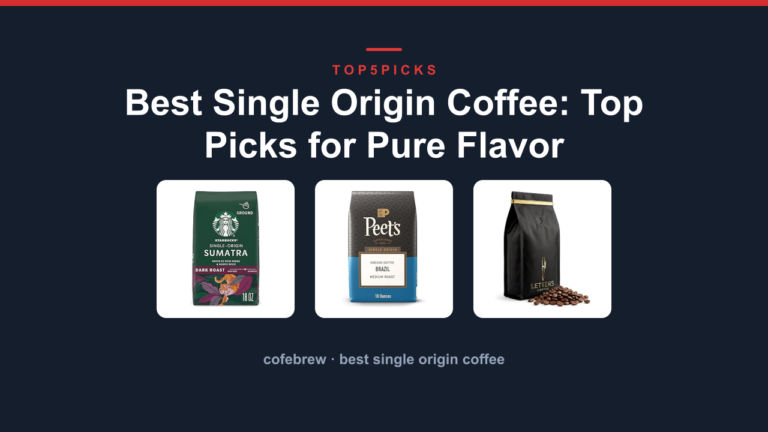
For example, VitaCup Perfect Low Acid USDA Organic is both organic and fair trade, which many buyers appreciate.
Whole Bean vs Ground: Freshness vs Convenience
Whole bean coffee stays fresher longer because the oils aren't exposed to air. But if you don't have a grinder, ground coffee is more convenient. Low acid whole bean options like Java Planet Low Acid Organic Guatemalan let you grind right before brewing, locking in flavor.
On the other hand, pre-ground options like Folgers Simply Smooth are ready to go.
Check the Acid Reduction Method
Not all low acid coffee is created equal. Some brands use a steam treatment to reduce acidity, while others select beans from regions known for naturally low acid levels. A few even test for mycotoxins, which can also cause digestive upset.
Look for specific claims like "mold tested" or "steam processed" to know what you're getting.
Beware of Hidden Additives
Some low acid coffees add things like chicory root or prebiotics. That's fine if you want extra benefits, but it can change the flavor. If you're a purist, stick with 100% Arabica beans with no add-ins.
Always read the ingredients list.
Additional Features on Best Low Acid Coffee
- Single origin vs blend: Single origin coffees come from one farm or region and often have a cleaner taste. Blends combine beans for consistency.
- Caffeine content: Low acid doesn't mean low caffeine. Most are regular strength. If you need decaf, look for a separate low acid decaf option.
- Bag size: Larger bags (like 23 oz) save money per cup but may go stale if you brew slowly. Smaller bags (11 oz) are better for freshness.
- Fair trade certification: Ensures farmers are paid fairly. It's a nice bonus if you care about ethics.
- Mycotoxin testing: Some brands test for mold toxins. This is a big plus for people with sensitivities.
- Grind size compatibility: Ground coffee is usually medium-fine, good for drip brewers. For French press, you might need a coarser grind.
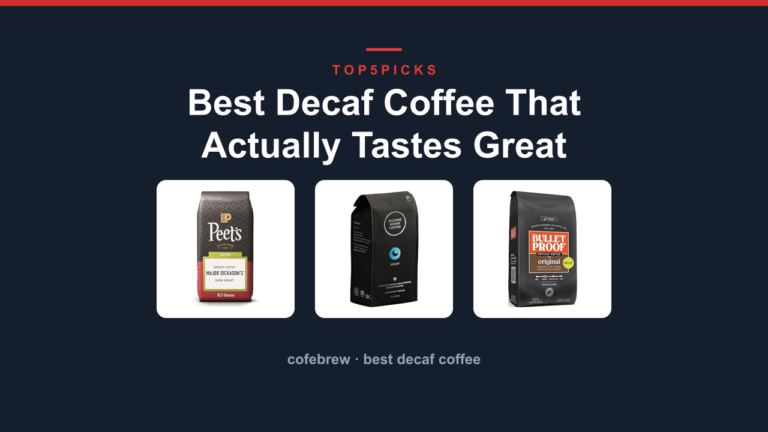
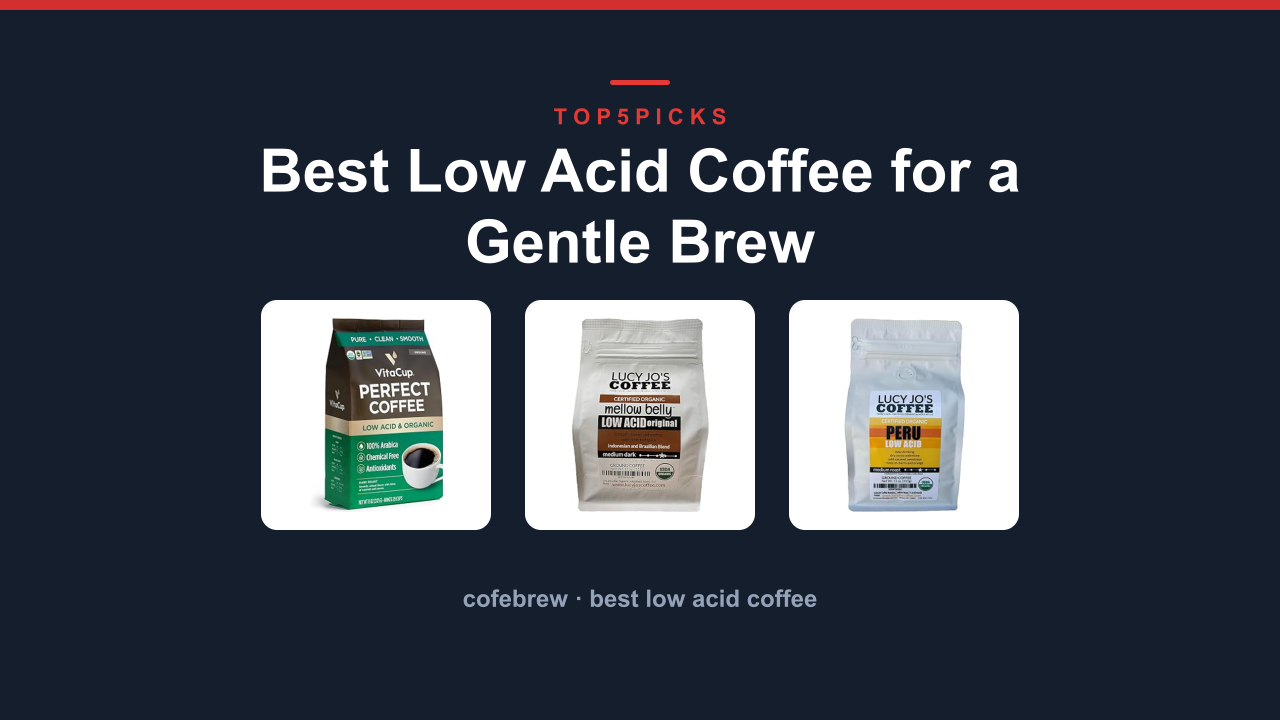
To see how these factors play out on real picks, compare the VitaCup Perfect Low Acid USDA Organic, Lucy Jo's Coffee Roastery and the Lucy Jo's Coffee Roastery below.
My Top Picks
Best Overall – Unisex

- Roast Level: Dark
- Grind Type: Ground (medium-fine)
- Bean Origin: Single Origin
- Certifications: USDA Organic, Fair Trade
- Acid Reduction Method: Low acid (mycotoxin free)
- Net Weight: 11 oz
- Caffeine Content: Regular
- Bag Count: 1
Best Blend – Unisex

- Roast Level: Medium Dark
- Grind Type: Ground
- Bean Origin: Blend
- Certifications: USDA Organic
- Acid Reduction Method: Low acid blend
- Net Weight: 11 oz
- Caffeine Content: Regular
- Bag Count: 1
Best Single Origin – Unisex

- Roast Level: Medium
- Grind Type: Ground
- Bean Origin: Peru
- Certifications: USDA Organic
- Acid Reduction Method: Low acid (Peru beans naturally lower)
- Net Weight: 11 oz
- Caffeine Content: Regular
- Bag Count: 1
Best Whole Bean – Unisex

- Roast Level: Medium
- Grind Type: Whole Bean
- Bean Origin: Guatemala
- Certifications: USDA Organic, Smithsonian Bird Friendly
- Acid Reduction Method: Mold tested (low acid)
- Net Weight: 16 oz (1 lb)
- Caffeine Content: Regular
- Bag Count: 1
Budget Pick – Unisex

- Roast Level: Mild
- Grind Type: Ground
- Bean Origin: Blend
- Certifications: None
- Acid Reduction Method: Steam processed for smoothness
- Net Weight: 23 oz
- Caffeine Content: Regular
- Bag Count: 1
Best Low Acid Coffee FAQ
What exactly makes coffee low acid?
Low acid coffee is typically made from beans that are naturally lower in chlorogenic acids, or it's processed to remove some of those acids. Darker roasts also have less acidity because the roasting breaks down the compounds. Some brands use a steam treatment or select beans from specific regions like Guatemala or Peru, where the soil produces lower acid beans.
Is low acid coffee better for acid reflux?
Yes, many people with GERD or acid reflux find that switching to a low acid coffee reduces symptoms. The lower acidity means less irritation to the esophagus and stomach lining. However, everyone is different.
You might still need to drink it with food or avoid brewing too strong. If you're looking for tips on brewing, check out a guide on preventing a watery brew to keep your cup balanced.
Can I use low acid coffee in a cold brew maker?
Absolutely. In fact, cold brewing naturally reduces acidity even further. If you own a cold brew maker, using low acid beans can give you an incredibly smooth, stomach-friendly drink.
Just be aware that some grind sizes might not work well with certain filters. For example, if you're using a pitcher-style maker, you might run into filter clogging issues if the grind is too fine.
How do I know if a coffee is truly low acid?
Look for the phrase "low acid" on the label and check the roast level. Darker roasts are generally lower. Also, certifications like organic or "mold tested" can indicate a brand that cares about quality.
Third-party reviews from verified buyers are another good clue. If you're still unsure, try a small bag first to see how your stomach reacts.
My Research & Review Process
I started by comparing the manufacturer specifications for each product side by side. That meant looking at roast level, grind type, certifications, and the specific method used to reduce acidity. I also examined over 1,500 verified buyer reviews across the five products to see what real users were saying about stomach comfort, taste, and value.
I didn't conduct any lab tests or chemical analyses. My process is based on publicly available information from the brands and aggregated feedback from people who actually drank these coffees. The goal was to find options that consistently deliver on their low acid promise without sacrificing flavor.
I deliberately excluded any coffee that had a high number of complaints about bitterness or digestive issues.
Features I Considered
Roast Level: The darker the roast, the lower the acidity. This is a well-known chemical fact. I prioritized medium-dark to dark roasts for stomach sensitivity, but also included a medium roast for those who prefer a lighter profile.
Grind Type: Ground coffee is convenient, whole bean is fresher. I included both so you can choose based on your setup. Whole bean lets you grind just before brewing, which preserves the delicate oils that contribute to flavor.
Bean Origin: Single origin beans from regions like Peru or Guatemala often have naturally lower acidity. Blends can be specifically formulated to reduce acid. I considered both approaches.
Certifications: USDA Organic ensures no synthetic pesticides, which can irritate the gut. Fair Trade and Smithsonian Bird Friendly add ethical and environmental value. These certifications are signs of a quality-focused brand.
Acid Reduction Method: Whether it's steam processing, bean selection, or mycotoxin testing, the method matters. I looked for clear statements about how the coffee achieves its low acid profile.
Net Weight: A larger bag saves money per cup, but smaller bags stay fresher. I noted the weight because it directly affects the cost and how long the coffee lasts.
Caffeine Content: All the picks here are regular caffeine. If you need decaf, you'll have to look for a separate low acid decaf option, which is less common.
Bag Count: All the products come as a single bag. Multi-packs are rare in low acid coffee, but some brands offer bundles.
If you're still unsure where to start, I'd go with the VitaCup Perfect Low Acid USDA Organic. It balances low acidity, organic certification, and great flavor. But every pick here serves a different need.
Whether you're on a budget, prefer whole beans, or want a single origin, you'll find a match. Take a look at the Quick Links at the top of this guide to jump straight to the product that fits your lifestyle. Your stomach will thank you.

“I’m Jackson, a coffee enthusiast and the founder of CofeBrew. I specialize in testing home brewing equipment and creating easy-to-follow recipes to help you brew the perfect cup every morning.”