How to Clean Coffee Maker Without Vinegar: Proven Results
Is your daily brew tasting a bit sad? I hate the sharp smell of strong soap, so I tested safe tricks to fix my own pot. I will show you how to clean coffee maker without vinegar fast. Read on to clean your pot with me today!
Why Clean Your Coffee Maker Regularly?
Regular washing improves coffee taste, makes the machine last longer, and stops hard water scale. Have you ever taken a sip of your morning cup only to find it tastes bitter and flat? It is such a sad letdown! Using good coffee maker maintenance tips will easily save your daily brew.
How does washing help your machine? A clean pot works much faster and avoids clogs that can break the pump. Think of it like clearing a stuffed nose so you can breathe well. You must remove coffee maker buildup naturally to keep it running like new.
Common Signs Your Coffee Maker Needs Cleaning
What are the signs your coffee maker needs cleaning? Look out for slow dripping, loud noises, white spots, or a bad taste in your cup. If you need to remove old coffee taste from coffee maker pots, watch your machine closely. Here are the top clues:
- Slow Brewing: The water drips much slower than when the pot was new.
- Loud Noises: The machine spits, hisses, or groans loudly while making coffee.
- Bad Taste: Your fresh coffee tastes stale, sour, or burnt.
- White Crust: You can see chalky white mineral spots inside the water tank.
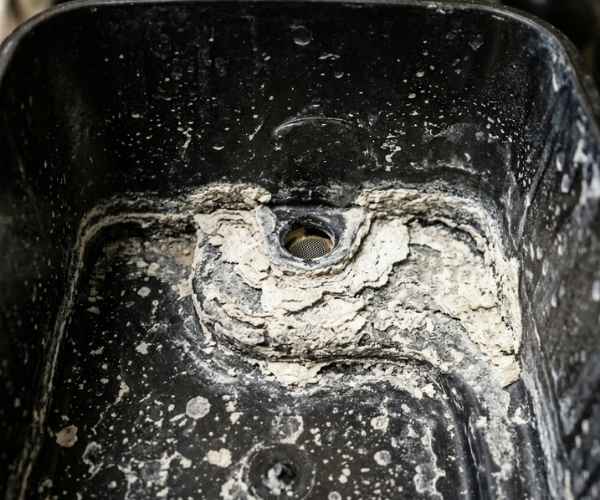
Top Vinegar-Free Alternatives for Cleaning Your Coffee Maker
Want a safe way to clean your pot? I tried many fresh tricks to fix my own machine. You do not need harsh smells to get a clean pot. Here are the best ways to clean your machine at home.
1. Citric Acid: The Best Vinegar Alternative
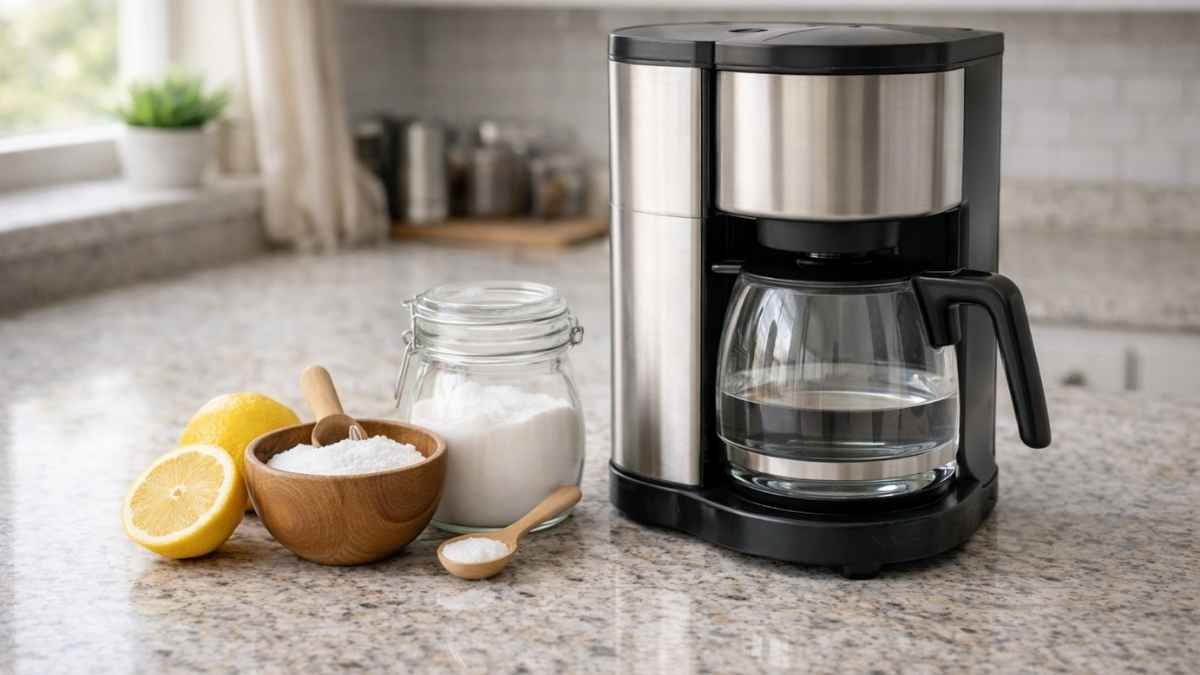
What is the best fix? Citric acid is the top way to clean a coffee maker. It eats hard scale fast. I love that it leaves no bad taste. It works just like strong cleaners but is much safer. Let us clean coffee maker with citric acid now.
How do you use it? Mix three teaspoons of the powder with three cups of water. Pour this mix in the water tank. Run a brew cycle halfway and turn it off. Wait thirty minutes, then rinse the pot out well. Coffee maker descaling without vinegar is that easy!
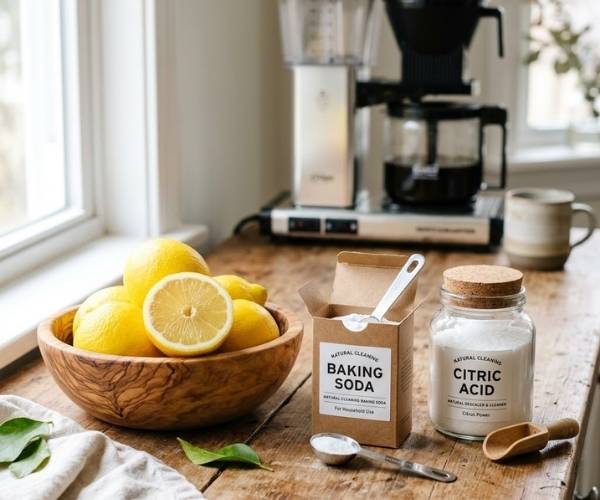
2. Lemon Juice: A Natural Solution
Can lemon fix a dirty pot? Yes, you can clean coffee maker with lemon to break down crust. Lemon juice has safe acids that melt white spots. I use it to make my kitchen smell fresh. It is a great, natural way to clean coffee maker parts.
How do you use lemon juice? Mix one cup of water with one cup of fresh lemon juice. Pour the juice mix in the tank. Run a full brew cycle. Run plain water next to rinse the whole pot out.
3. Baking Soda: For Cleaning and Deodorizing
Does baking soda work? Yes, you can clean coffee maker with baking soda to kill bad smells. It acts as a soft scrub. I use it when my coffee tastes a bit stale. It lifts dark brown rings off the glass carafe so well.
How do you use baking soda? Mix a fourth cup of baking soda into one cup of warm water. Pour the warm mix in the tank. Run a brew cycle to flush the pot. It is a great coffee maker cleaning alternative for bad smells.
4. Denture Tablets: A Convenient Cleaning Hack
Can denture tabs fix a pot? Yes, they fizz up to gently clean coffee maker parts and remove dirt. This is my top fun trick! The tabs bubble to scrub deep spots for you. They lift away hard crust and stains with ease.
How do you use them? Drop two tabs in a full water tank. Let them fizz up well. Next, run a full brew cycle. Flush the pot with plain water twice to rinse it clean.
Step-by-Step Guide: How to Clean Your Coffee Maker Without Vinegar
How do you do a vinegar free coffee maker cleaning at home? You just need a safe cleaner, fresh water, and a bit of time. I will show you how to clean a coffee maker without vinegar step by step. Grab your dirty pot and let us get to work!
1. Empty the Coffee Maker
How do you start to clean your pot? First, dump out old grounds and wash the mesh filter. Take out the paper filter and toss it in the trash. A clean coffee machine naturally needs a fresh start with no old beans left behind.
2. Choose Your Cleaning Solution
What safe wash should you pick? Choose a homemade coffee maker cleaner like lemon juice, baking soda, or citric acid. I often grab lemon because it smells so good and cuts dark grease fast. Pick the easy fix you have right now in your kitchen.
3. Fill the Reservoir
Where do you put the cleaner mix? Pour your fresh mix right into the empty water tank. Make sure the glass pot sits flat in its spot to catch the hot drips. This is exactly how to clean the coffee maker without vinegar the right way.
4. Run a Brew Cycle
How do you start the deep clean? Push the start button and let the pot brew halfway. Watch the hot liquid drip into the glass carafe below. This hot wash helps clean coffee maker without vinegar fast and well.
5. Pause and Let It Soak
Why must you pause the brew? Turn off the pot halfway to let the hot mix sit for thirty minutes. This long soak melts hard white crust and lifts stubborn dark stains. Think of it like a warm spa bath for your tired coffee machine.
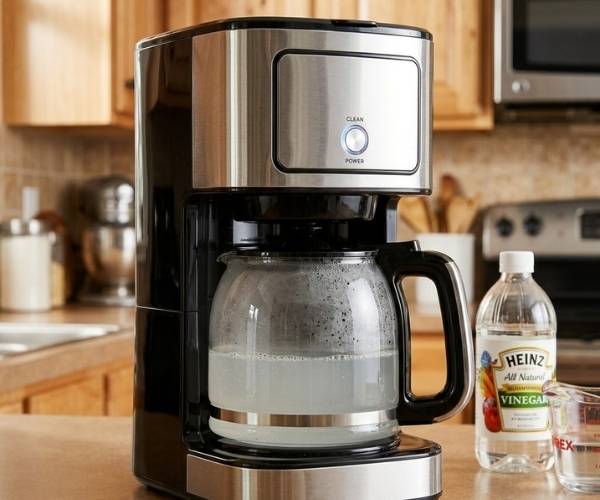
6. Finish the Brew Cycle
What do you do after the long soak? Turn the pot back on to finish the full brew. Let the rest of the hot mix push through the deep tubes. This step helps remove coffee maker buildup naturally from hidden spots inside.
7. Rinse Thoroughly
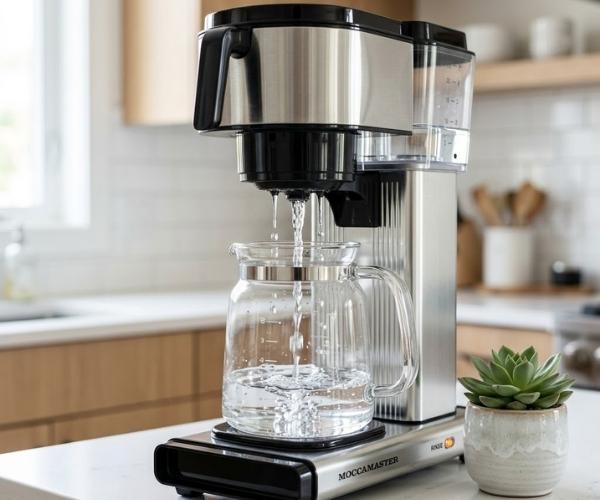
How do you clear out the cleaner mix? Run two or three full pots of fresh, cold water through the machine. This step flushes out the safe coffee maker cleaning methods you just used. Now your pot is clean, fresh, and ready to make a great cup of joe!
Additional Tips for Maintaining a Clean Coffee Maker
What is the best daily coffee maker maintenance?
You should wash the glass carafe and brew basket with warm soapy water every single day. I used to just rinse mine, but dark coffee oils build up so fast. Washing these parts daily stops the stale taste before it even starts.
Does filtered water help a coffee maker?
Yes, using clean filtered water stops hard white mineral buildup inside your pot. Tap water has heavy minerals that block the tiny water tubes over time. Good water keeps your machine running fast and cuts down on deep cleanings.
Can you use bleach in a coffee maker?
No, you must never use bleach or strong toxic soap in your pot. Harsh chemicals can melt the soft plastic parts and ruin your health. Always stick to safe coffee maker cleaning methods to protect your family and your machine.
How should you store a coffee maker?
You must leave the top lid wide open after every use so the wet parts dry out. Dark, wet spots grow fuzzy mold very fast. I learned this the hard way, so now I let my pot air dry all day.
” This video shows alternative ways to clean your coffee maker without vinegar, using household ingredients and proper steps.”
Eco-Friendly Coffee Maker Cleaning Methods
Why should you choose natural cleaners for your pot? You should pick safe items like lemon, baking soda, and citric acid to protect the earth and your health. I used to buy heavy plastic jugs of strong descalers. It felt so wasteful! Now, I use a natural way to clean coffee maker parts instead. These easy pantry staples work great and leave no harsh smells in your kitchen.
How do natural cleaning tricks help you and the earth? Eco friendly coffee maker cleaning keeps toxic soap out of our water and saves you money. Pouring strong chemical cleaners down the drain hurts our local streams. I feel much better using safe things I already use for baking. Plus, a basic box of baking soda costs just pennies! If you want to clean coffee machine naturally, these cheap tricks are the smartest choice.
Conclusion
Why keep your pot clean? A clean pot makes your coffee taste great and helps your machine run well. I know a dirty pot ruins good beans fast. Nobody likes a lousy cup of coffee!
How should you wash your pot today? Knowing how to clean coffee maker without vinegar leaves no bad smells. You can use safe items from your house to do the job well. I love that safe coffee maker cleaning methods protect our earth.
What are your top coffee maker maintenance tips? The best home tricks come from sharing fun ideas with friends. Did you try the fizzy tab trick or the fresh lemon wash? Tell me your best way to clean your pot below!
FAQs: How to Clean Coffee Maker Without Vinegar
What is the best vinegar-free way to clean a coffee maker?
The best vinegar-free coffee maker cleaning method is citric acid or lemon juice. Both break down scale, rinse clean, and keep coffee tasting fresh without strong smells.
Can baking soda descale a coffee maker?
Baking soda does not fully descale a coffee maker, but it helps remove odors and residue. It works best for cleaning smells, not heavy mineral buildup or sc
How do I remove scale naturally from a coffee machine?
To remove scale naturally, use citric acid or lemon juice with water. These options dissolve mineral deposits and are safe, effective ways to descale without vinegar.
Will lemon juice damage a coffee maker?
Lemon juice will not damage a coffee maker when diluted and rinsed well. It is a gentle, natural descaler that cleans scale without harming seals or inner parts.
How do I get rid of old coffee taste in my machine?
To remove old coffee taste from a coffee maker, clean removable parts and run a natural cleaner like baking soda or lemon water, then rinse with fresh water.
Related Post:
- How to Use a Keurig Machine
- How to Fix Leaking Bunn Coffee Maker
- how to unlock hopper on breville coffee maker
- how to clean my braun coffee maker

“I’m Jackson, a coffee enthusiast and the founder of CofeBrew. I specialize in testing home brewing equipment and creating easy-to-follow recipes to help you brew the perfect cup every morning.”